Understanding the Role of Water Treatment System Suppliers
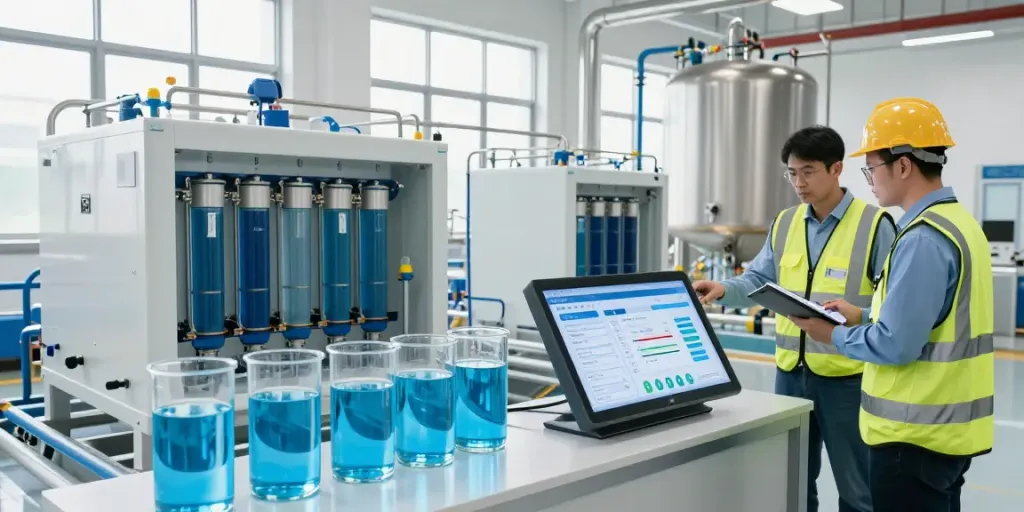
In an increasingly water-scarce world, the role of Water Treatment System Supplier has become crucial. These suppliers provide essential technologies and services that allow industries and municipalities to effectively manage water resources. Water treatment systems are designed to ensure the quality of water with minimal environmental impact, catering to various needs from drinking water purification to complex industrial wastewater treatment.
What Is a Water Treatment System Supplier?
A water treatment system supplier is an entity that specializes in the design, manufacture, and deployment of systems that treat water for various uses. These suppliers develop comprehensive solutions tailored to the needs of specific industries, ensuring they can meet regulatory standards and operational demands. Key services include process design, construction, and the installation of advanced water treatment technologies, enabling clients to achieve reliable and efficient water management.
The Importance of Reliable Water Solutions
Reliable water treatment solutions are essential for protecting public health, adhering to environmental regulations, and supporting sustainable development goals. As water quality issues become more pressing in many regions, having access to trustworthy suppliers ensures that both industries and municipalities can maintain a safe water supply. Moreover, the increasing occurrence of water contamination incidents highlights the need for innovative solutions that can effectively address these challenges.
Key Industries Benefiting from Water Treatment Systems
Various sectors benefit from advanced water treatment systems, including:
- Municipalities: Ensuring the provision of clean drinking water and wastewater management.
- Industrial Sectors: Managing high-difficulty wastewater and adhering to strict discharge regulations.
- Desalination Plants: Addressing water scarcity in coastal areas by converting seawater into potable water.
- Agriculture: Supporting irrigation systems with treated wastewater to conserve freshwater resources.
- Construction: Providing onsite water treatment solutions for temporary facilities and operations.
- Emergency Services: Offering portable solutions for disaster responses and acute water shortages.
Core Applications of Containerized Water Treatment Systems
Containerized water treatment systems have revolutionized the way water is processed across different applications. These systems are designed for rapid deployment and flexibility, making them ideal for various settings, including urban areas and remote locations.
Pure & Drinking Water Treatment Solutions
The production of safe drinking water is a top priority for municipalities and communities worldwide. Containerized systems can be deployed quickly in emergencies or to improve existing infrastructure. These systems use advanced filtration and disinfection technologies, ensuring compliance with health and safety standards while providing reliable access to clean water.
Industrial Wastewater Treatment: Challenges and Strategies
Industrial facilities often face significant challenges in treating wastewater due to complex processes and varying contaminants. Containerized systems are particularly beneficial here, offering tailored solutions that can be customized to meet specific industrial needs, from chemical processing to food production. By integrating cutting-edge technologies such as membrane bioreactors and advanced oxidation processes, these systems effectively manage and remove harmful substances from wastewater before it is discharged or reused.
Municipal Sewage Treatment: Meeting Regulatory Standards
Municipal sewage treatment must comply with increasingly stringent regulations. Containerized systems provide municipalities with scalable and compliant solutions that can adapt to changing demands. Through advanced biological treatment methods and efficient nutrient removal techniques, these systems help ensure that treated effluent meets environmental standards and can safely be released back into ecosystems.
Innovations in Water Treatment Technology
The water treatment industry is undergoing a significant transformation driven by technological advancements. Innovations in treatment processes, automation, and system monitoring are enhancing the effectiveness and efficiency of water treatment operations.
Emerging Technologies Shaping the Future
Innovations such as membrane filtration, nanotechnology, and artificial intelligence are playing critical roles in the evolution of water treatment systems. These technologies not only improve the efficiency of water purification but also help in reducing energy consumption and operational costs. For example, nanofiltration membranes offer a high surface area for filtration while requiring less energy compared to conventional methods.
Integrating Smart Solutions for Enhanced Efficiency
Smart technologies, including IoT-enabled sensors and data analytics, are increasingly being integrated into water treatment systems. These tools allow for real-time monitoring of water quality and system performance, facilitating proactive maintenance and operational adjustments. This level of automation not only enhances efficiency but also reduces the risk of system failures and improves decision-making processes.
Case Studies of Successful Implementations
Multiple case studies demonstrate the successful application of containerized water treatment systems across various sectors. For instance, a containerized sewage treatment plant deployed in a remote community enabled access to safe sanitation and significantly improved public health. Similarly, an industrial facility utilized a mobile water treatment unit to manage wastewater during peak production periods, ensuring compliance and minimizing environmental impact.
Challenges Facing Water Treatment Suppliers Today
Despite advancements in technology and methods, water treatment suppliers face several ongoing challenges that can hinder their effectiveness and innovation.
Common Misconceptions About Water Treatment Systems
One significant misconception is that larger systems are always more effective than smaller, modular systems. However, containerized solutions can provide a level of flexibility, scalability, and rapid deployment that larger plants may lack, making them suitable for various applications.
Economic and Environmental Considerations
Water treatment suppliers must navigate the fine balance between economic feasibility and environmental responsibilities. As regulations tighten, investing in advanced systems can lead to higher upfront costs, but they typically offer savings in operational efficiency and maintenance over time. Suppliers must educate clients on the long-term benefits of investing in sustainable technologies.
Overcoming Regulatory Hurdles
Meeting regulatory requirements can be complex, with regulations differing widely by region and industry. Water treatment suppliers need to stay updated on these regulations and work closely with clients to ensure compliance is achieved. This may involve providing tailored solutions that meet specific local standards without compromising on quality or performance.
The Future of Water Treatment System Suppliers
As we look toward 2026 and beyond, the landscape for water treatment system suppliers is set to evolve further, influenced by technological, regulatory, and environmental trends.
Trends to Watch in 2026 and Beyond
Key trends shaping the future include increased adoption of decentralized treatment systems, growing integration of renewable energy sources, and a shift toward more sustainable water management practices. Suppliers will need to adapt by developing innovative solutions that meet these emerging needs effectively.
How Sustainability Is Influencing the Industry
Sustainability is no longer optional; it is a necessity. Water treatment suppliers are increasingly focused on providing environmentally friendly solutions that minimize negative impacts on natural water bodies. This includes focusing on waste minimization, energy efficiency, and the recovery of valuable resources from wastewater streams.
Preparing for Emerging Water Challenges Globally
As global water challenges intensify, including climate change and population growth, water treatment system suppliers must be prepared to rise to the occasion. This entails increasing collaboration with stakeholders across the water sector, investing in research and development, and remaining agile in their ability to respond to new challenges as they arise.