Understanding Pond Plants for Your Garden
Pond plants are not just beautiful additions to your garden, they also play a vital role in maintaining the health and balance of aquatic ecosystems. By incorporating Pond Plants into your landscape, you can create a vibrant habitat for wildlife while enhancing the aesthetic appeal of your outdoor space. In this article, we will explore the various types of pond plants, their benefits, and how to select, plant, and care for them effectively. Understanding these aspects is essential for any gardener looking to establish a thriving pond environment.
What Are Pond Plants and Their Benefits?
Pond plants are a diverse group of flora that thrive in aquatic environments, ranging from submerged and floating plants to marginal and emergent species. These plants are crucial for several reasons:
- Water Quality Improvement: They help filter pollutants, absorb excess nutrients, and oxygenate the water, contributing to a healthier pond ecosystem.
- Habitat Creation: Pond plants provide shelter and breeding grounds for fish, amphibians, and various aquatic invertebrates.
- Food Sources: Many pond plants serve as food for fish and other wildlife, supporting biodiversity in your garden.
- Aesthetic Appeal: With a variety of colors, shapes, and sizes, pond plants can significantly enhance the visual appeal of your water feature.
Types of Pond Plants You Should Consider
Choosing the right types of pond plants is essential for achieving a balanced ecosystem. Below are some categories to consider:
- Submerged Plants: These plants, such as eelgrass and hornwort, grow completely underwater. They are vital for oxygenating the water and providing habitats for aquatic life.
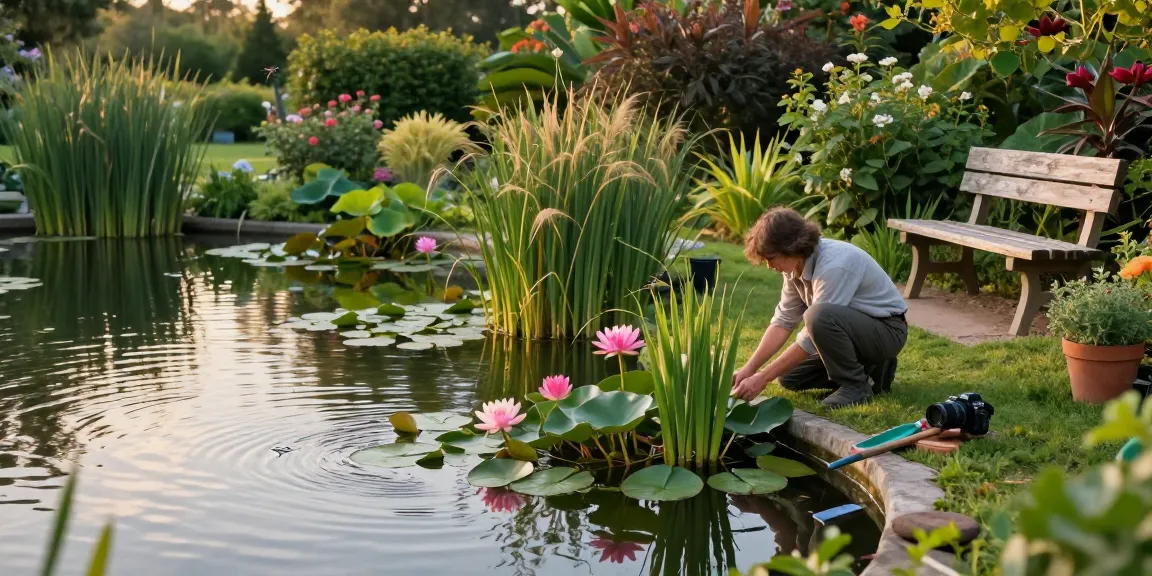
- Floating Plants: Water lilies and duckweed fall into this category. They float on the surface and provide shade, help regulate water temperature, and reduce algae growth.
- Marginal Plants: Found at the edges of ponds, examples include marsh marigold and cattails. They help prevent erosion and offer shelter for wildlife.
- Emergent Plants: These plants, such as reeds and sedges, rise above the water's surface and play a crucial role in stabilizing the banks and providing nesting areas for birds.
Pond Plants for Different Environments and Needs
Not all ponds are created equal, and the selection of pond plants should reflect the specific conditions and requirements of your environment. For example:
- Shady Ponds: If your pond receives limited sunlight, opt for plants like duckweed and water buttercup that thrive in low-light conditions.
- Sunny Ponds: In bright, sunny areas, consider vibrant water lilies and lotus that flourish with plenty of sunlight.
- Wildlife-Friendly Ponds: To attract wildlife, use a mix of emergent and marginal plants, which provide shelter and food for various species.
Choosing the Right Pond Plants
Factors to Consider When Selecting Pond Plants
When choosing pond plants, several factors can influence your decisions:
- Pond Size: The size of your pond will dictate how many plants you can incorporate; larger ponds can support a wider variety of species.
- Water Depth: Different plants have specific depth requirements, so ensure the plant’s needs match your pond's depth.
- Climate: Select plants that are well-suited to your local climate for optimal growth and survival.
- Maintenance Level: Consider how much time you are willing to dedicate to plant care; some species require more attention than others.
Common Mistakes to Avoid with Pond Plants
New pond gardeners often make several common mistakes that hinder their success:
- Overcrowding: Planting too many varieties can lead to competition for nutrients and space, stunting their growth.
- Ignoring Depth Requirements: Not adhering to the depth preferences of each plant can result in poor health or death.
- Lack of Diversity: Monocultures can be detrimental to ecosystem health; a variety of plants will ensure a balanced habitat.
How to Match Pond Plants to Your Aquascape
Integrating pond plants into your aquascape requires careful planning. Aim for a mix of plant types to create layers and textures. For example:
- Use tall emergent plants at the back for height, such as bulrush and sweet flag.
- In the middle, incorporate hardy marginal plants for a lush look, like umbrella palm and marsh marigold.
- Finally, add floating plants to the surface for visual interest and shade.
Planting and Caring for Pond Plants
Step-by-Step Guide to Plant Pond Plants
Planting pond plants correctly is crucial for their establishment and growth. Follow these steps:
- Prepare the Site: Clear the area where you want to plant. Ensure it’s free from debris and other plants that could compete.
- Choose Containers: For some species, using baskets or pots with drainage holes helps manage growth and keeps roots contained.
- Use Proper Soil: Aquatic plant soil or a mixture of clay and sand works best for most pond plants.
- Plant at Appropriate Depths: Make sure to follow the depth requirements based on the type of plant you are using.
- Water Well: After planting, ensure the plants are well-watered, especially if planted in pots.
Essential Care Tips for Healthy Pond Plants
To maintain healthy pond plants, follow these essential care tips:
- Regular Maintenance: Trim dead or overgrown plants to promote growth and prevent decay in the pond.
- Monitor Water Quality: Test water pH and nutrient levels regularly to ensure optimal conditions.
- Control Algae Growth: Balance aquatic plants and avoid over-fertilization to keep algae under control.
Pond Plant Maintenance: Timing and Techniques
Understanding the seasonal needs of your pond plants will ensure their health year-round. In spring, focus on planting and fertilizing, while summer may require more frequent maintenance and monitoring for pests. Autumn is the time to prepare plants for winter by cutting back dead foliage, and winter care involves protecting plants from harsh conditions.
Enhancing Biodiversity with Pond Plants
Encouraging Wildlife with Your Pond Plants
Pond plants provide essential habitats for various wildlife, including birds, amphibians, and beneficial insects. Incorporating a variety of plants can attract different species:
- Birds: Emergent plants with dense foliage provide nesting sites.
- Amphibians: Submerged plants act as breeding grounds for frogs and toads.
- Beneficial Insects: Flowering plants attract pollinators and other insects, contributing to the local ecosystem.
Creating Habitats and Food Sources with Pond Plants
Designing your pond with habitat diversity in mind ensures that various wildlife can flourish. Use a mix of tall and short plants, and ensure some plants have flowers or seeds, which serve as food sources for birds and insects.
How Pond Plants Contribute to Ecosystem Health
Pond plants play a critical role in maintaining the health of aquatic ecosystems. They filter water, reduce algae blooms, and facilitate nutrient cycling, ultimately contributing to overall pond health. By maintaining a diverse array of species, you enhance the resilience of your pond ecosystem against environmental changes.
Future Trends in Pond Plants Gardening
Innovative Pond Plant Varieties Emerging by 2026
The landscaping industry is continually evolving, with new hybrid and genetically improved varieties of pond plants emerging as gardeners look for more resilient, vibrant options. Expect to see varieties that can tolerate fluctuating water levels and changing climates, ensuring that the beauty of your pond is sustainable in the long run.
Eco-Friendly Practices for Sustainable Pond Gardens
As environmental awareness grows, more gardeners are adopting eco-friendly practices for their pond gardens. This includes using organic fertilizers, minimizing chemical pesticides, and selecting native plants that require less maintenance and support local wildlife.
Exploring Technology in Pond Plant Care
Advancements in technology are also making pond plant care easier. Smart water quality monitors, automated fertilization systems, and even apps that can help you identify plant species are all becoming commonplace in modern pond gardening.
What are the best types of pond plants for beginners?
New gardeners should consider easy-to-care-for species such as water lilies, duckweed, and cattails, as these plants establish quickly and require minimal maintenance.
How can I improve the health of my pond plants?
Healthy pond plants thrive on proper water quality management, appropriate sunlight, and regular maintenance. Monitor nutrient levels and algae growth, and prune dead foliage to enhance their health.
What should I know about seasonal care for pond plants?
Seasonal care varies; spring is ideal for planting and fertilizing, summer involves monitoring growth and pests, autumn is for pruning, and winter care often includes protecting vulnerable plants from frost.
Are all pond plants suitable for fish habitats?
No, some pond plants may not be suitable for fish habitats. It's crucial to research the compatibility of plants with desired fish species to ensure a balanced ecosystem.
How do pond plants affect water quality?
Pond plants significantly influence water quality by absorbing nutrients, which reduces algae growth, and releasing oxygen, which helps maintain a healthy aquatic environment.