
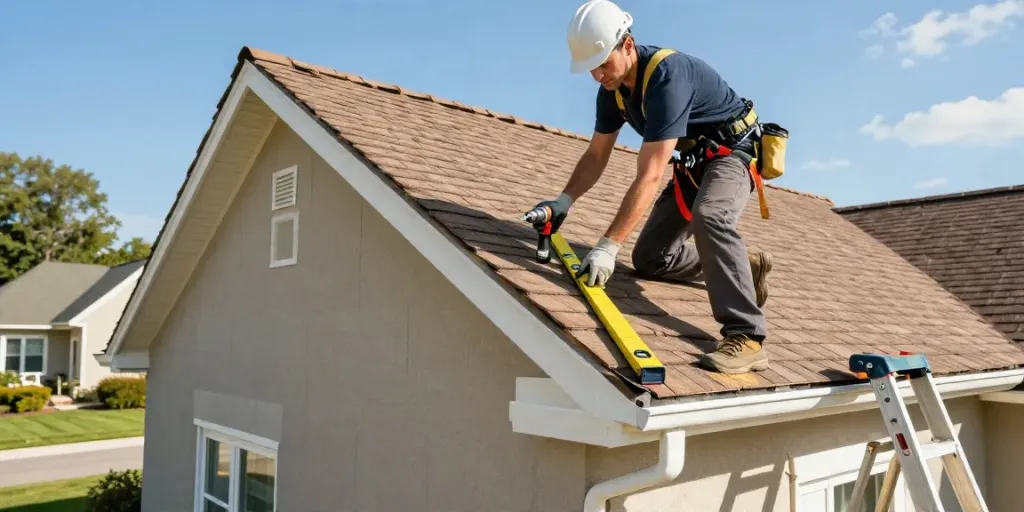
Understanding Gutter Installation Essentials
Gutter installation is a crucial aspect of home maintenance that protects your property from potential water damage by directing rainwater away from your foundation. When exploring options, Gutter installation services can offer essential insights into what you need for your specific home layout and climate needs. A well-executed gutter system not only enhances the structural integrity of your home but also ensures that your landscaping remains intact and free from erosion.
What is Gutter Installation?
Gutter installation involves the process of fitting a system of channels that collect and direct rainwater off the roof and away from the foundation of a building. This process typically includes selecting suitable materials, determining the correct size and slope of the gutters, and securely attaching them to the building's fascia boards. A proper installation protects homes from water pooling, mold growth, and damage to siding and foundations.
Types of Gutters and Materials
Gutters come in various types and materials, each with its own benefits and drawbacks. The most common types include:
- Seamless Gutters: Made from a single piece of material, reducing leaks and maintenance.
- Sectional Gutters: Assembled from multiple sections, these require more frequent maintenance but are less expensive.
- Fascia Gutters: Designed to fit directly onto the fascia board of the roof, providing a sleek appearance.
Material options include:
- Aluminum: Lightweight, corrosion-resistant, and often available in a variety of colors.
- Vinyl: Affordable and easy to install, but may become brittle over time.
- Steel: Extremely durable, but prone to rust if not treated properly.
- Copper: Offers a high-end aesthetic, but at a higher price point and requires professional installation.
Preparing for a Successful Gutter Installation
Assessing Your Home's Gutter Needs
Before installation, it’s essential to assess your home’s specific gutter needs. Factors to consider include the local climate, the size and slope of your roof, and any existing drainage issues. For homes in areas with heavy rainfall, a larger gutter system may be necessary, while flatter roofs might need a different approach to ensure adequate drainage.
Measuring and Planning Your Gutter System
Correct measurement and planning are fundamental to successful gutter installation. Begin by measuring the total length of the roof edges where gutters will be installed and determine the drop or slope needed for effective water flow. It’s advisable to account for any downspouts and their placement to ensure an efficient drainage system.
Obtaining Necessary Permits and Regulations
Depending on your location, you may need to secure permits before installing new gutters. Check with local building regulations and homeowner associations to ensure compliance and avoid any future issues. This step can save you from potential fines and ensure that your installation meets all safety codes.
Step-by-Step Guide to Installing Gutters
Gathering Tools and Materials
Having the right tools and materials on hand will make the installation process smoother and more efficient. Essential tools include a measuring tape, level, saw, drill, and screws. Additionally, make sure you have the appropriate safety gear, such as gloves and goggles, to protect yourself during the installation.
Installing the Gutter System: A Detailed Process
Once preparations are complete, follow these steps to install your gutters:
- Start by marking the desired placement of the gutters using a level to ensure proper slope.
- Cut the gutters to size based on your measurements and attach any necessary end caps.
- Install the gutter hangers along the marked lines, ensuring they are spaced according to manufacturer recommendations.
- Attach the gutters to the hangers, making sure they are level and securely fastened.
- Finally, install the downspouts, ensuring they are positioned to direct water away from the foundation.
Testing and Inspecting Your Installation
Once installation is complete, it's crucial to test the entire system. Run water through the gutters and check for leaks or blockages. Ensure that water flows freely into the downspouts and away from your home. Regular inspections will help maintain your gutter system and prolong its lifespan.
Common Challenges and Solutions in Gutter Installation
Addressing Misalignment and Leakage Issues
Misalignment during installation can lead to water runoff issues and potential leaks. If you notice any areas where gutters are not properly aligned, adjust the hangers as needed. Sealing joints and seams with a waterproof sealant can help address minor leaks and prolong the life of your gutters.
Handling Weather Conditions During Installation
Weather can significantly impact gutter installation. Ideally, perform installation on a clear, dry day to allow for safe climbing and footing. If adverse weather occurs, it's better to postpone until conditions improve to avoid accidents and ensure an effective installation.
Maintaining Safety Standards on the Roof
Safety should be a priority during installation. Always use a sturdy ladder, and consider using a safety harness if you are working on a steep roof. Always inform someone of your location if you are working alone, and avoid installing gutters during inclement weather conditions.
The Future of Gutter Installation: Trends and Innovations for 2026
Smart Gutter Systems and Technology Integration
As technology advances, so do gutter systems. Smart gutters equipped with sensors can now monitor water flow and alert homeowners to potential clogs or leaks, enhancing home maintenance efforts. These innovations not only improve efficiency but also reduce the need for manual inspections.
Sustainable Materials and Eco-Friendly Options
The demand for eco-friendly options is on the rise. Homeowners are increasingly turning to sustainable materials, such as recycled aluminum and biodegradable options for gutter systems. These materials provide durability while minimizing environmental impact.
Predictions for the Home Improvement Market
Looking ahead to 2026, the gutter installation market is expected to grow as homeowners invest more in home improvements. This trend is likely spurred by increased awareness of the importance of effective drainage systems and sustainable building practices. As technologies evolve and consumer preferences shift, staying informed on trends will be pivotal for both homeowners and contractors alike.