Pond Plants: Before and After — Essential Guide for Garden Enthusiasts in 2026
Introduction to Pond Plants
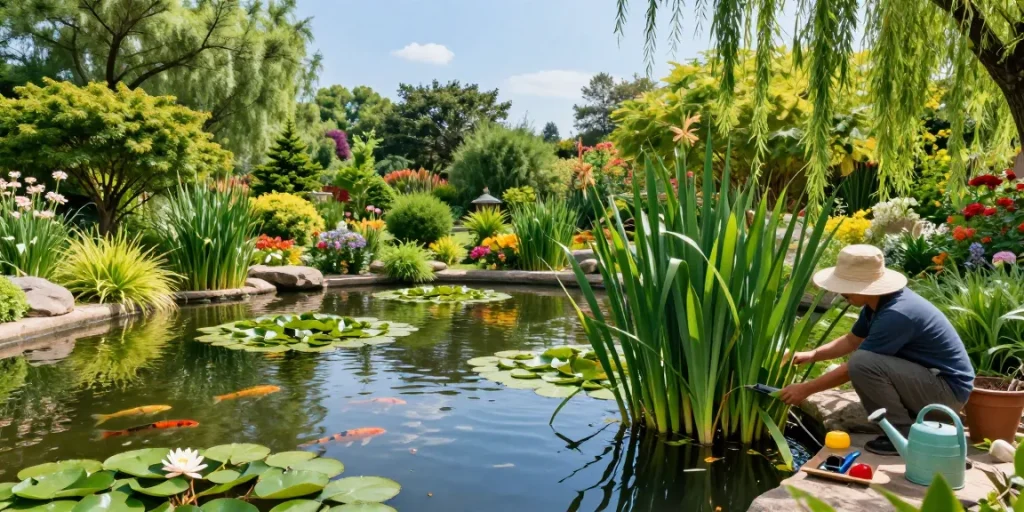
Pond plants are essential components of aquatic ecosystems, significantly contributing to both the health of the water and the beauty of the landscape. These diverse species not only enhance the visual appeal of ponds but also play crucial roles in improving water quality, providing habitats for various forms of wildlife, and contributing to the overall ecological balance. As interest in sustainable gardening and landscaping practices continues to grow, incorporating Pond Plants into your gardening plans can lead to remarkable transformations in both residential and community spaces.
What Are Pond Plants?
Pond plants are a category of vegetation that thrive in or near aquatic environments. They can be categorized into three main types: floating, emergent, and submerged plants. Each type has unique characteristics and functions within a pond ecosystem. Understanding these types can help gardeners make informed decisions about which plants to introduce into their own ponds.
Types of Pond Plants: Floating, Emergent, and Submerged
- Floating Plants: These plants float on the surface of the water, with their roots submerged. Common examples include water lilies and duckweed. They play a vital role in shading the water, which helps to reduce algae growth.
- Emergent Plants: These are rooted in the pond’s bottom but grow above the water’s surface. Reeds and cattails are examples, providing habitat for wildlife and protecting the shoreline from erosion.
- Submerged Plants: Completely underwater, these plants like elodea and hornwort are essential for oxygenating the water and providing shelter for aquatic life.
Importance of Pond Plants in Ecosystem
Pond plants support a variety of functions in their ecosystems. They contribute to the overall biodiversity of the area, offering food and shelter to numerous species, including birds, insects, and aquatic animals. Furthermore, these plants assist in nutrient cycling, which is crucial for maintaining water quality.
Benefits of Incorporating Pond Plants
Enhancing Water Quality
Pond plants are nature’s water filters. They absorb excess nutrients, particularly nitrogen and phosphorus, that can lead to detrimental algae blooms. By doing so, they help maintain clarity and quality in the water, creating a healthier environment for fish and other aquatic species.
Providing Habitat for Wildlife
The presence of diverse pond plants creates habitats that support a wide range of wildlife. Birds, amphibians, insects, and even small mammals rely on these plants for food, nesting sites, and shelter. The ecological balance they provide is essential for a thriving pond ecosystem.
Aesthetic Appeal and Landscaping Ideas
In addition to their ecological benefits, pond plants enhance the visual appeal of water features in gardens and landscapes. Strategically placed plants can create a naturalistic look, soften hard landscape edges, and even help define spaces within outdoor areas. Gardeners can use a variety of colors, heights, and textures offered by pond plants to craft beautiful and inviting landscapes.
Common Challenges with Pond Plants
Pest and Disease Management
Like any other plants, pond plants can be susceptible to pests and diseases. Common issues include aphids and fungal infections, which can be managed through vigilant monitoring and appropriate treatments, such as introducing beneficial insects or using organic pesticides.
Seasonal Care and Maintenance Issues
Pond plants require seasonal care which may include trimming, repotting, and fertilization. Particularly in winter, it is important to protect sensitive species from freezing temperatures. Understanding the specific needs of each plant type facilitates better management practices.
Misconceptions about Pond Plant Care
Many gardeners hold misconceptions about pond plant care, such as the belief that all aquatic plants are invasive or that they require constant maintenance. In reality, with the right selection and understanding of each plant’s needs, pond gardening can be a low-maintenance and rewarding endeavor.
Best Practices for Selecting and Planting Pond Plants
Assessing Your Pond Environment
Before selecting pond plants, it is essential to evaluate your pond environment. Factors such as sunlight exposure, water depth, and existing wildlife need to be considered. A thorough assessment will guide your plant choices and ensure they thrive in your specific conditions.
Choosing Suitable Pond Plants for Your Climate
Different regions support various types of pond plants. Depending on your local climate, certain species may perform better than others. Researching native plants can lead to a more sustainable and manageable pond ecosystem.
Planting Techniques for Healthy Growth
Proper planting techniques are crucial for the successful establishment of pond plants. Techniques include ensuring adequate spacing between plants for airflow, using appropriate soil types, and planting at the correct depth to maximize growth potential.
Future Trends in Pond Gardening (2026 and Beyond)
Innovative Solutions for Pond Maintenance
As technology continues to evolve, new tools and methods for maintaining pond health are emerging. From automated sensors that monitor water quality to advanced filtration systems, these innovations can greatly enhance the ease of managing a pond garden.
Sustainable Practices in Pond Planting
With growing awareness of environmental challenges, sustainable practices are becoming more prominent in pond gardening. This includes selecting native species, using organic pest control methods, and employing water-saving techniques in maintenance.
Emerging Pond Plant Varieties and Their Benefits
New varieties of pond plants are being bred for greater resilience and beauty. These innovations not only enhance aesthetic appeal but also contribute to improved ecosystem health, providing better filtration and habitat for wildlife.
Frequently Asked Questions About Pond Plants
How Do I Choose the Right Pond Plants?
When selecting pond plants, consider factors such as your pond’s size, depth, and water quality. Research each plant’s role in the ecosystem and its specific needs to ensure a harmonious balance in your pond.
Can Pond Plants Help Reduce Algae Growth?
Yes, by absorbing excess nutrients and providing shade on the water’s surface, pond plants can significantly reduce algae growth and improve overall water quality.
What Are the Best Pond Plants for Shade?
Some of the best pond plants for shaded areas include ferns, certain types of water lilies, and various submerged plants that thrive in lower light conditions.
How Often Should I Replant My Pond Plants?
Replanting frequency depends on plant type and growth rate, but generally, it’s advisable to evaluate plants annually and replant or thin out as necessary to maintain balance and health.
Are There Any Invasive Pond Plants to Avoid?
Yes, certain species like water hyacinth and yellow flag iris can become invasive if not properly managed. It’s important to research local regulations and choose plants that are not listed as invasive in your area.