Understanding CNC Machining Parts: An Overview
CNC machining has revolutionized the manufacturing industry since its inception, enabling the production of high-precision components that are essential for various applications. This technology encompasses a broad spectrum of processes where computer-controlled machines manipulate tools and materials to create custom parts with impressive accuracy. CNC, or Computer Numerical Control, not only minimizes human error but also enhances efficiency and expedites production times. For organizations seeking reliable manufacturing partners, understanding the nuances of cnc machining parts manufacturer capabilities is crucial in selecting the right supplier for mission-critical components.
What are CNC Machined Parts?
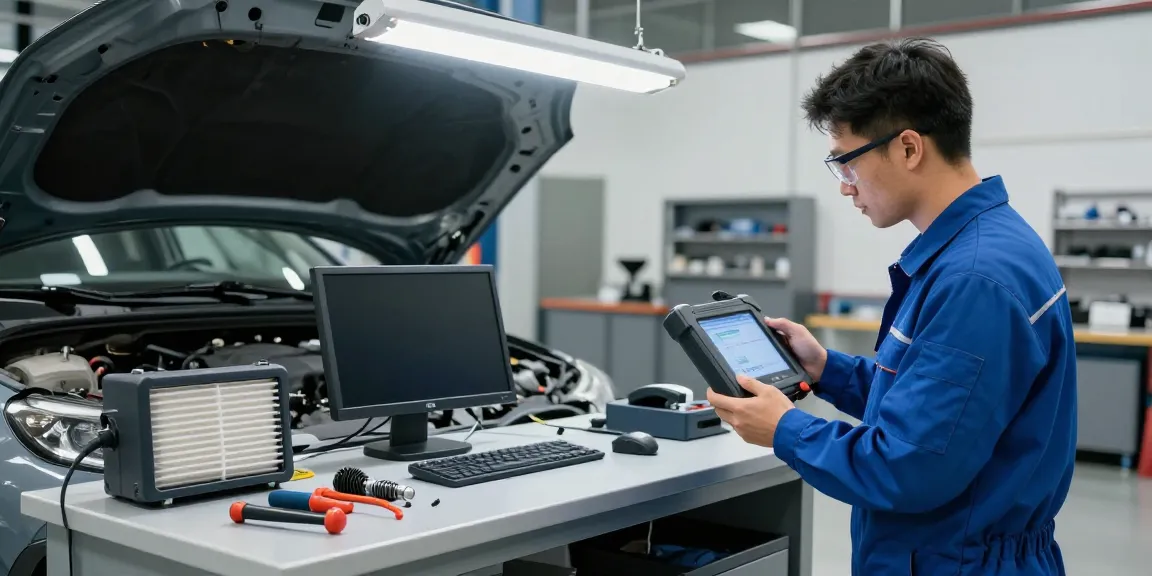
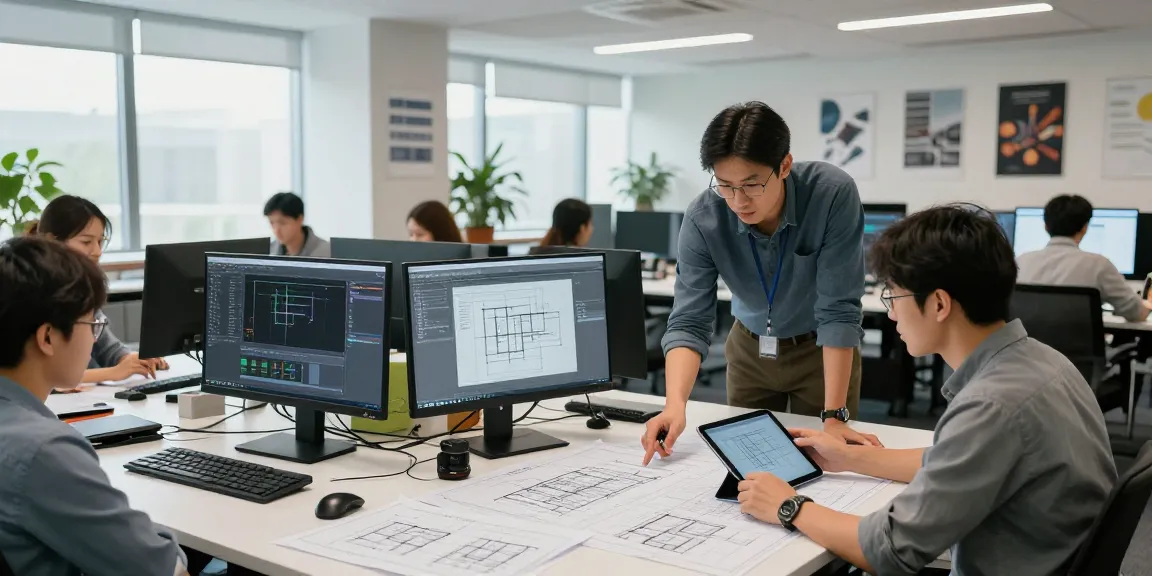
CNC machined parts are components that have been manufactured using CNC machining processes. These parts can be made from various materials, such as metals, plastics, and composites, making them applicable in numerous industries, including automotive, aerospace, medical, and consumer electronics. The CNC machining process involves several stages: designing a digital blueprint (often via CAD software), translating that design into G-code, and then executing the machining process using automated machinery. The resulting precision and adaptability to complex designs differentiate CNC machining from traditional, manual methods.
The Importance of Precision in Manufacturing
Precision is the cornerstone of quality in manufacturing. For CNC machined parts, tolerances can be as tight as a few microns, which is crucial in industries where failure is not an option. For example, parts used in aerospace applications must withstand extreme conditions, and even the slightest deviation can lead to catastrophic failures. Therefore, manufacturers strive to achieve consistent results through advanced machining techniques, often employing multiple setups and advanced tooling options to meet stringent specifications. Moreover, the integration of quality control measures at every stage—from design to production—ensures that the final product meets or exceeds industry standards.
CNC Machining vs. Traditional Machining Methods
While traditional machining still holds value in specific contexts, CNC machining offers several advantages that set it apart. Traditional methods often rely heavily on manual setup, which can result in increased lead times and higher labor costs. In contrast, CNC machining leverages automation to provide fast, repeatable, and cost-effective production. Moreover, CNC machines can operate continuously, allowing for a reduction in overhead costs. Additionally, the ability to produce intricate and complex shapes with minimal human intervention showcases the versatility of CNC technology.
CNC Machining Parts Manufacturer: Key Features
When evaluating CNC machining parts manufacturers, several features are critical to ensuring quality and efficiency throughout the production process. These attributes not only enhance the value offered by a manufacturer but also ensure that they can meet the specific needs of their customers across different industries.
Customization Capabilities for Different Industries
Custom manufacturing is one of the most significant advantages CNC machining offers. Manufacturers capable of modifying their processes can cater to a wide array of industries, producing parts that meet specific requirements. For example, the medical device industry often needs unique dimensions for surgical instruments or components that fit within stringent regulatory guidelines. By leveraging advanced technologies such as multi-axis CNC milling and additive manufacturing, firms can create tailored solutions that align precisely with their clients' operational needs.
High Precision Techniques and Technologies
Modern CNC machining employs a variety of techniques to achieve high precision. Techniques such as Tolerance Control and Advanced Tool Selection enhance accuracy while minimizing material waste. Technologies like 5-axis machining allow for more complex geometries to be produced in a single setup, thus improving efficiency and reducing the time spent on changes between operations. Furthermore, innovations in tool wear monitoring and real-time feedback mechanisms significantly enhance the overall performance of machining operations, ensuring that parts meet demanding specifications consistently.
Quality Control and Assurance Processes
Quality assurance is an integral part of the CNC machining process. Implementing statistical process control (SPC) can help manufacturers monitor their operations and make necessary adjustments before defects occur. Techniques such as Coordinate Measuring Machines (CMM) and in-process inspections ensure that parts are continually evaluated throughout production, minimizing errors. Additionally, certifications such as ISO 9001 and AS9100 are indicative of a manufacturer’s commitment to quality and adherence to international standards.
Emerging Trends in CNC Machining
The landscape of CNC machining is evolving rapidly as new technologies and methodologies emerge. Staying ahead of these trends is essential for manufacturers looking to remain competitive in a global market.
Adoption of AI and Machine Learning in Manufacturing
Artificial Intelligence (AI) and machine learning are beginning to play significant roles in enhancing CNC machining operations. By analyzing data collected from machinery, manufacturers can predict tool wear and failure points, thereby optimizing maintenance schedules. AI technologies enable manufacturers to fine-tune their processes based on real-time feedback, potentially increasing output quality and speed. Furthermore, predictive analytics can assist in demand forecasting, leading to better resource allocation and reduced waste.
Robotics and Automation in CNC Machining
The integration of robotics into CNC machining can significantly enhance productivity. Automated systems are capable of handling repetitive tasks and can operate 24/7, thereby increasing throughput. Collaborative robots (cobots) are designed to work alongside human operators, enhancing flexibility without sacrificing safety. With improved programming interfaces and user-friendly automation solutions, even small companies can leverage robotics technology to streamline their operations and reduce production costs.
Sustainability Initiatives in Manufacturing Practices
As awareness of environmental issues grows, sustainability has become an essential aspect of manufacturing practices. CNC machining firms are adopting eco-friendly materials and processes to minimize their environmental impact. Techniques such as energy-efficient machining and the use of biodegradable materials are on the rise. Implementing a closed-loop recycling system for scrap materials and minimizing waste during production not only helps the environment but also reduces operational costs.
The Future of CNC Machining Parts
The future of CNC machining is bright, characterized by rapid technological advancements and an increasing focus on efficiency and sustainability. Companies must adapt to these changes by embracing innovation and flexibility in their operations.
Digital Transformation and Industry 4.0
The concept of Industry 4.0 encapsulates the ongoing digital transformation within manufacturing. It highlights the convergence of manufacturing with advanced technologies such as the Internet of Things (IoT), cloud computing, and big data analytics. In a CNC context, this transformation facilitates smart manufacturing systems capable of self-optimization and real-time adjustments. The utilization of IoT devices enables machines to communicate with one another and with cloud-based platforms, leading to insights that can drive efficiency and reduce costs.
Scalability in Production for Demand-Centric Manufacturing
The demand for customization and rapid product development necessitates scalable production systems. CNC machining manufacturers are increasingly implementing modular systems that enable them to adjust their production capabilities in response to market demands swiftly. This flexibility not only helps manufacturers to meet varying customer requirements but also supports business growth by minimizing downtime and optimizing resource usage. The ability to scale also empowers manufacturers to keep pace with evolving technological trends in the industry.
Future Trends in Materials Utilization
The diversity of materials available for CNC machining continues to expand, driven by the demand for lightweight, strong, and cost-effective solutions. Future advances may include materials that are more sustainable, such as bio-composites, or materials designed specifically for enhanced performance in high-stress environments. Advancements in nanotechnology may lead to the creation of new alloys and composites with remarkable properties, presenting opportunities for manufacturers to innovate and offering design engineers materials that can push the boundaries of what is achievable today.
FAQs on CNC Machining Parts Manufacturing
What industries benefit most from CNC machining parts?
Almost every sector can harness the benefits of CNC machining, including automotive, aerospace, medical devices, electronics, and manufacturing machinery. Each of these industries requires a high degree of precision and reliability in their components, which CNC machining can provide.
How do I choose a reliable CNC machining parts manufacturer?
To select a reputable CNC machining parts manufacturer, consider their experience, certifications, customization capabilities, and customer reviews. It's also beneficial to assess their quality control processes and their ability to meet deadlines and maintain clear communication.
What innovations should we expect in CNC machining by 2026?
By 2026, expect to see substantial innovations in robotics, AI integration, advanced materials, and sustainability practices within CNC machining. As automation technology continues to develop, manufacturers will increasingly utilize machine learning tools to enhance operational efficiency and product quality, ultimately transforming the very fabric of manufacturing.