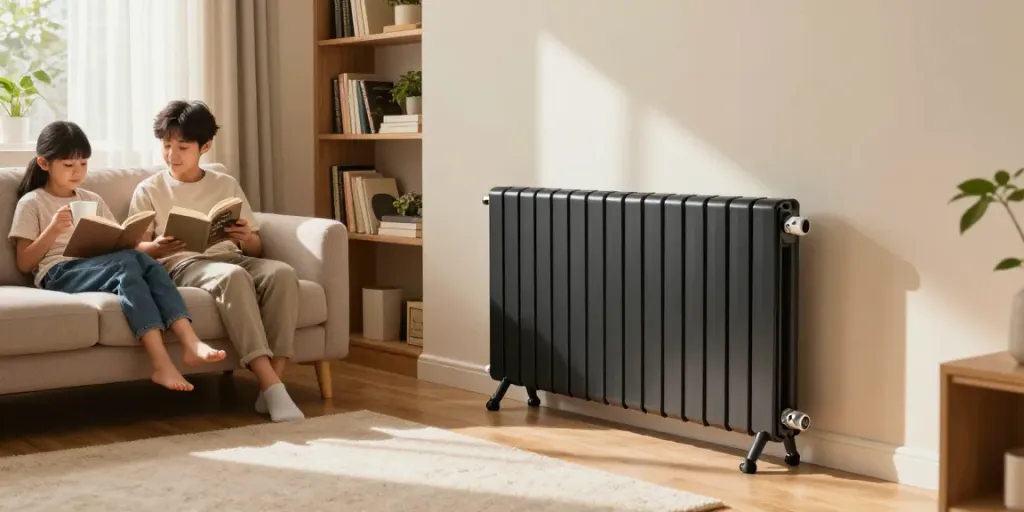
Understanding Electric Radiators
Electric radiators have become an increasingly popular choice for home heating solutions, particularly in recent years as energy efficiency and convenience have taken center stage in consumer preferences. These innovative heating devices provide warmth through electric resistance heating, making them a viable option for many households. When exploring options, Electric Radiator solutions can be particularly effective in providing targeted heating in various rooms without the need for complex installations or extensive plumbing systems.
What Is an Electric Radiator?
An electric radiator is a heating appliance that operates by converting electrical energy into heat. Unlike traditional water-based radiators, electric models do not require a boiler or central heating system. Instead, they use electrical elements to generate warmth directly within metal or ceramic panels. This direct conversion is both efficient and environmentally friendly, contributing to reduced carbon footprints.
Types of Electric Radiators
Electric radiators come in several forms, catering to different needs and preferences. The most common types include:
- Convector Heaters: These radiators heat air directly and circulate it throughout the room.
- Storage Heaters: Designed to store heat generated during off-peak electricity hours for later use.
- Panel Heaters: Slim and stylish, perfect for wall mounting, and often come with modern design features.
- Infrared Heaters: Emit radiant heat directly to objects and people in the room, providing instant warmth.
How Electric Radiators Work
The operation of electric radiators is straightforward: when electricity flows through heating elements, they generate heat, which warms the radiator's surface. The heat then radiates into the room or, in the case of convector heaters, warms the air that circulates around the unit. This means that electric radiators can respond quickly to temperature changes, providing instant heat when needed.
Benefits of Electric Radiators
Energy Efficiency and Cost Savings
Electric radiators have demonstrated considerable energy efficiency compared to traditional heating methods. Many modern units are designed with programmable thermostats, allowing users to control when and how much heat is produced. This level of control not only enhances comfort but also leads to significant cost savings on energy bills. Moreover, with various energy tariff plans available, users can optimize their heating schedules around lower-cost electricity periods.
Safety Features of Modern Electric Radiators
Safety is a key consideration when selecting a heating device. Electric radiators are equipped with numerous safety features including:
- Overheat Protection: Automatically switches off the heater if it reaches an unsafe temperature.
- Tip-Over Switch: Shuts off the heater if it is knocked over, minimizing fire risks.
- Child Lock Features: Prevents accidental alterations to settings, ensuring safety in homes with young children.
Comfort and Convenience in Home Heating
One of the main advantages of electric radiators is their versatility and ease of use. Many models come equipped with WiFi capabilities, allowing users to control their heating systems remotely via smartphone applications. This means that homeowners can adjust settings from anywhere, optimizing comfort and energy use based on their schedules.
Choosing the Right Electric Radiator
Key Features to Consider
When selecting an electric radiator, consider the following key features:
- Heating Capacity: Measured in watts, ensure that the radiator has adequate power for the size of your room.
- Control Features: Look for models with programmable settings and smart controls for enhanced convenience.
- Design: Depending on your aesthetics, choose between sleek panel designs or traditional styles.
Comparing Electric Radiators: Ceramic vs Aluminum
Electric radiators can utilize different materials for heating elements. Ceramic radiators tend to retain heat longer, providing a steady warmth even after being switched off. Aluminum radiators, on the other hand, heat up quickly and often have a lighter build, making them easier to mount on walls. A dual-core model combining both materials offers the benefits of both quick heating and effective heat retention.
Size and Wattage Recommendations for Your Space
Choosing the right wattage is essential for effective heating. A conventional rule of thumb is to allocate 100 watts per square meter for a well-insulated room. For rooms with high ceilings or poor insulation, you may need to increase this figure. For example, a 20 square meter room would typically require a radiator with a wattage of at least 2000 watts.
Installation and Maintenance
Installing Your Electric Radiator
Installation of electric radiators is generally straightforward. Most models come with detailed instructions and require minimal tools. Depending on whether you opt for wall-mounted or freestanding units, ensure they are placed away from obstructive furniture and are easily accessible for users. If you’re uncertain, consider consulting with a qualified electrician.
Routine Maintenance Tips for Longevity
To ensure your electric radiator operates efficiently and lasts longer, regular maintenance is essential. Clean the radiator periodically to remove dust and debris from heating elements. Inspect cords and connections for signs of wear, and follow the manufacturer's guidelines for service intervals to address any potential issues.
Common Issues and Troubleshooting
Despite their reliability, electric radiators can experience problems. If your unit isn't heating up, begin by checking the power supply and controls. If it still doesn't work, refer to the troubleshooting guide in the user manual. Persistent issues may require professional inspection to avoid safety hazards.
Future Trends in Electric Heating
Innovations in Electric Radiator Technology
The future of electric radiators is looking bright with advancements in technology. Smart features, such as integration with home automation systems and energy monitoring applications, are becoming more common, allowing users to optimize their heating for both comfort and efficiency.
Sustainable Heating Solutions for 2026
As the world shifts towards sustainability, electric radiators are being designed with eco-friendly materials and technologies. Innovations in energy sourcing, including solar-compatible models, promise to complement traditional electric models, providing a greener option for households.
Market Predictions for Electric Radiators
Market analysts predict a strong growth trajectory for electric radiators through 2026. The increasing demand for efficient, easy-to-install heating solutions, alongside rising energy costs, will continue to drive consumer interest in electric heating technologies.
Are electric radiators a good idea?
In summary, electric radiators offer a practical and efficient heating solution for many homes. Their ease of installation, safety features, and cost-effectiveness make them an attractive option for homeowners looking to enhance comfort while managing energy use.
Do electric radiators use a lot of power?
Electric radiators do utilize electricity; however, their energy consumption can be minimized with smart controls and proper usage. By scheduling heating periods and using energy-efficient models, homeowners can manage their power usage effectively.
Is there such a thing as electric radiators?
Yes, electric radiators are a well-established heating solution available in various forms, each designed to meet specific heating needs effectively and safely.
What is the cheapest way to heat your house with electricity?
The cheapest method to heat a home electrically often involves using programmable or smart electric radiators. By taking advantage of off-peak electricity rates and optimizing your heating schedule, you can significantly reduce costs.
How to safely operate electric radiators?
To ensure safety while using electric radiators, always follow the manufacturer’s instructions, avoid covering the radiator, and routinely check for damage to cords and connections. It's also advisable to utilize built-in safety features diligently, such as timers and thermostats.