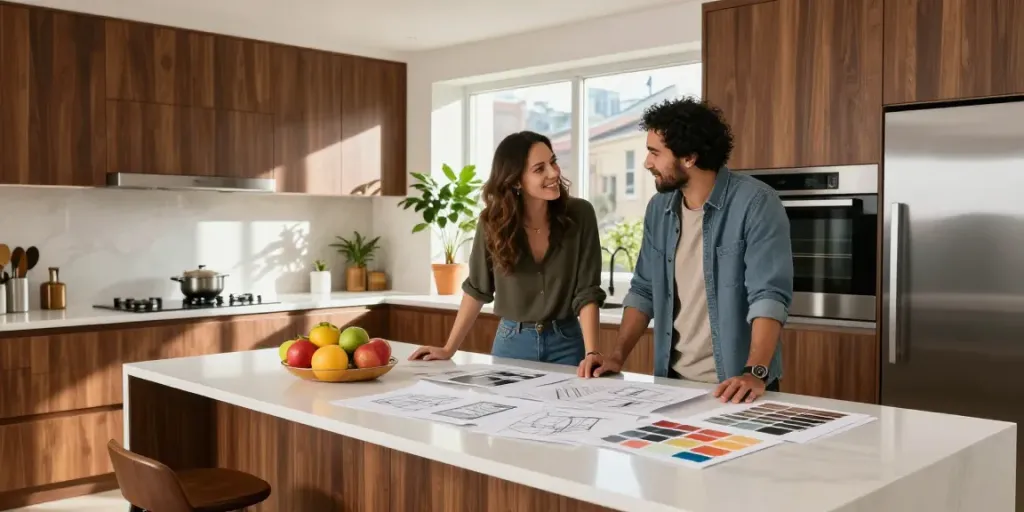
Understanding Customized Kitchen Concepts
In today's world, the concept of custom kitchens, or bucătării la comandă, has gained immense popularity among homeowners. This rising trend provides an opportunity to create personalized spaces tailored to individual tastes and needs. With a focus on functionality and aesthetics, customized kitchens can significantly enhance both the value and enjoyment of a home. But what exactly does it mean to have a custom kitchen? Let's explore this concept further.
What are bucatarii la comanda?
Custom kitchens, or bucătării la comandă, are kitchen spaces designed and built according to specific preferences, requirements, and dimensions of a home. U bucatarii la comanda nlike pre-manufactured options, custom kitchens allow for unique layouts, materials, colors, and features that suit the homeowner's lifestyle. This tailored approach ensures that every inch of space is optimized for use, resulting in kitchens that are not only beautiful but also practical.
Benefits of Customized Kitchen Designs
- Personalization: Homeowners can choose every element, from cabinetry to countertops, ensuring that the kitchen reflects their personal style.
- Space Optimization: Custom designs take into account the exact measurements of the space, allowing for better storage solutions and workflow efficiency.
- Quality Materials: Custom kitchens often use higher quality materials than mass-produced options, increasing durability and longevity.
- Increased Home Value: A well-designed custom kitchen can significantly boost the value of a home, making it more desirable on the market.
Popular Styles and Trends for 2026
As we approach 2026, several exciting trends for custom kitchens are emerging. Minimalistic designs emphasizing clean lines and uncluttered spaces are gaining traction, while the integration of smart technology is becoming increasingly common. Homeowners are also showing a preference for sustainable materials, such as reclaimed wood and eco-friendly finishes, reflecting a growing awareness of environmental issues. These trends not only enhance the kitchen’s visual appeal but also improve its functionality and sustainability.
The Design Process of Custom Kitchens
Initial Consultation: Setting Expectations
The journey to a custom kitchen begins with an initial consultation. This meeting is crucial for understanding the homeowner's needs, preferences, and budget. Designers will often share examples of previous work and discuss potential styles and features that align with the client's vision. It’s an integral part of the process that sets the stage for a successful collaboration.
Key Steps in Designing Your Kitchen
- Concept Development: Based on the consultation, the designer creates an initial concept, including layout sketches and material options.
- Final Design Approval: Clients review the proposed design, providing feedback that leads to adjustments before moving forward.
- Detailed Planning: Once approved, detailed plans are drafted, including precise measurements and technical specifications.
- Material Selection: Clients choose materials, colors, and finishes that align with their vision and lifestyle.
Choosing Materials and Finishes
Selecting the right materials is a critical aspect of the custom kitchen design process. Homeowners can choose from a variety of options, including hardwoods, laminates, and metals. Finishes can range from matte to glossy, offering different looks and feels. In 2026, there is a notable trend toward sustainable materials that not only look great but also reduce environmental impact.
Installation and Project Management
Preparing Your Home for Installation
Before installation begins, the homeowner should prepare the space by clearing out the existing kitchen and ensuring that the area is accessible. Contractors may also need to conduct preliminary inspections to confirm that plumbing and electrical systems are ready for the new designs. This preparation ensures a smooth installation process.
Managing Timelines and Expectations
Managing timelines is essential during the installation of a custom kitchen. Homeowners should maintain open communication with contractors and designers regarding any delays or changes in the schedule. Establishing clear timelines from the beginning helps set realistic expectations and minimizes frustrations.
Post-Installation Follow-Up and Care
After the kitchen is installed, follow-up visits may be conducted to ensure everything is functioning as intended. Homeowners should also be educated on proper maintenance practices to keep their kitchen looking and performing its best. Regular care can prolong the life of the materials and finishes used in the custom kitchen.
Client Experiences and Testimonials
Real Stories from Happy Customers
Client testimonials reveal a wealth of positive feedback regarding the custom kitchen experience. Many homeowners express gratitude for the attentive service provided during the design process, highlighting how their ideas were seamlessly integrated into the final product. These real stories serve as valuable insights for potential clients considering custom kitchens.
Addressing Challenges and Solutions
Every kitchen project comes with its own set of challenges, from tight spaces to budget constraints. Successful kitchen design firms are adept at problem-solving, often suggesting creative solutions that satisfy the client's needs without compromising quality. Effective communication is key in navigating these challenges.
The Importance of Client Feedback
Client feedback is integral to the continuous improvement of custom kitchen services. Companies often encourage reviews and suggestions, allowing them to enhance their offerings and ensure customer satisfaction. This feedback loop builds trust and a strong reputation in the industry.
Future Trends in Kitchen Design
Innovative Technologies for 2026
The kitchen of the future will likely integrate advanced technologies that enhance convenience and efficiency. This includes smart appliances that can be controlled via smartphone apps, as well as automated lighting and temperature controls. These innovations not only streamline kitchen tasks but also improve energy efficiency.
Sustainable Materials and Practices
Sustainability is becoming increasingly important in kitchen design. Homeowners are more frequently opting for materials that are eco-friendly, such as bamboo, recycled stone, and non-toxic finishes. Incorporating sustainable practices not only benefits the environment but also adds a unique dimension to kitchen design.
Custom Kitchens and Smart Home Integration
As smart home technology continues to evolve, custom kitchens will increasingly feature integrated systems that allow for greater control over appliances and utilities. This integration enhances both convenience and functionality, making daily kitchen tasks simpler and more efficient.
How can I start my custom kitchen project?
Starting a custom kitchen project begins with research. Homeowners should explore design concepts, gather inspiration, and determine their budget. Once ready, they can reach out to professional kitchen designers or companies experienced in bucătării la comandă for an initial consultation.
What should I consider when choosing materials?
When selecting materials for a custom kitchen, consider durability, maintenance, and style. It's essential to choose materials that align with your lifestyle and aesthetic preferences while also being suitable for kitchen use. Consulting with a designer can provide valuable insights into the best options available.
How long does the design and installation process take?
The timeline for designing and installing a custom kitchen can vary but typically ranges from a few weeks to several months. Factors influencing this timeline include the complexity of the design, the availability of materials, and the scheduling of contractors.
What are common pitfalls in kitchen design?
Common pitfalls in kitchen design include inadequate planning, underestimating the budget, and neglecting the functionality of the space. It's crucial to consider how the kitchen will be used and to involve experienced professionals who can provide guidance throughout the process.
How do I maintain my custom kitchen?
Maintaining a custom kitchen involves regular cleaning and care of surfaces, proper use of appliances, and timely repairs if issues arise. Following manufacturer guidelines for maintenance and using gentle cleaners can help preserve the beauty and longevity of your custom kitchen.