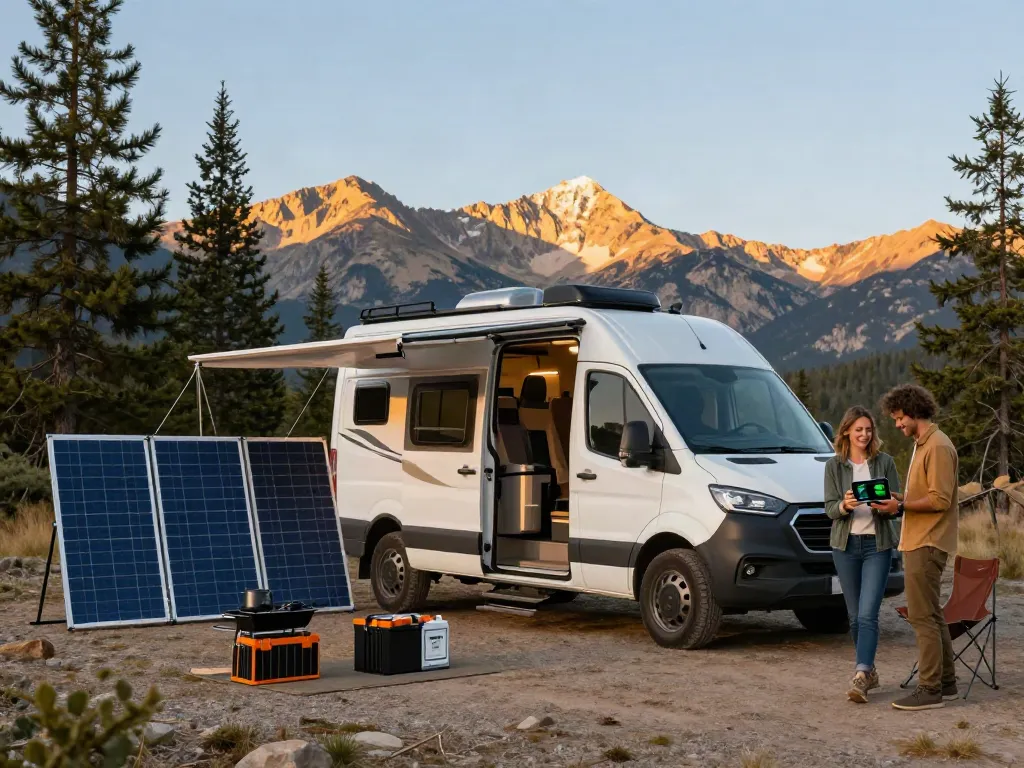
The Rise of Lithium RV Batteries for Off-Grid Adventures
As the popularity of RV travel and off-grid adventures continues to surge, so does the demand for efficient and reliable energy solutions. Among these, lithium rv battery systems have emerged as the go-to choice for modern campers and van lifers. These advanced batteries not only provide power for everyday needs but also offer significant advantages over traditional lead-acid options, such as greater efficiency, durability, and the ability to recharge quickly. In this article, we’ll explore the technology behind lithium RV batteries, their benefits, and what makes Epoch’s offerings some of the best in the industry.
Understanding Lithium RV Battery Technology
Lithium RV batteries utilize lithium iron phosphate (LiFePO4) technology, which provides several benefits over conventional battery types. LiFePO4 batteries are known for their stability, high energy density, and long cycle life. Unlike lead-acid batteries that can degrade over time, lithium batteries can withstand more charge cycles, making them a worthy investment for those who frequently travel off the grid.
One of the defining features of lithium batteries is their built-in Battery Management System (BMS). This system monitors battery health, manages charge and discharge cycles, and provides protection against overcharging, overheating, and short circuits. The result is a safer, more reliable, and efficient power source for RVs, campers, and vans.
Benefits of Lithium Over Traditional Batteries
- Weight Savings: Lithium batteries are significantly lighter than lead-acid batteries, allowing for increased payload capacity in RVs.
- Greater Usable Capacity: They offer a higher depth of discharge, which means users can access more of the battery’s capacity without damaging it.
- Longer Lifespan: Lithium batteries last longer, usually between 10 to 15 years, compared to lead-acid batteries that may only last 3 to 5 years.
- Fast Charging: Lithium batteries can be charged faster, reducing downtime during travels.
- Resistance to Vibration: They are better suited for the rigors of life on the road, making them ideal for RVs and campers.
Applications in Modern Camping
The versatility of lithium RV batteries makes them suitable for various applications. Whether powering lights, appliances, or advanced systems like refrigerators and air conditioners, these batteries can handle demanding loads. Furthermore, with options for Bluetooth monitoring, users can keep track of their battery health and power usage in real-time, ensuring they are never left without power in remote locations.
Comparing Epoch Lithium RV Battery Series
Epoch Batteries offers a range of lithium battery series designed to meet diverse needs and budgets. Understanding the differences between these series can help RV owners select the right battery for their specific requirements.
Elite Series Features and Performance
The Elite Series stands out as Epoch's flagship line, known for its advanced features and high output. These batteries are designed for those who demand the best, featuring dual-purpose capabilities that allow them to start engines and run household loads simultaneously. With integrated Victron communication capabilities, the Elite Series batteries can connect with compatible solar systems for enhanced power management.
Pro Series Advantages for Dual Usage
The Pro Series is tailored for those who need a reliable battery capable of both cranking and deep-cycle applications. These batteries are an excellent choice for RV owners who want to combine starting power with the ability to run auxiliary equipment. Their robust construction and design help meet the needs of varied energy consumption scenarios.
Essential and Eco Series for Budget-Friendly Options
For budget-conscious travelers, the Essential and Eco Series provide dependable lithium power without sacrificing quality. The Essential Series offers a balanced approach to performance and cost, while the Eco Series caters to those seeking a lower price point with essential features. Both series maintain the high standards of safety and performance that Epoch is known for, making them excellent choices for various types of RV users.
How to Choose the Right Lithium Battery for Your RV
Selecting the right lithium battery involves evaluating several key factors tailored to your usage and lifestyle.
Assessing Energy Needs and Inverter Requirements
Before purchasing a lithium battery, consider your daily energy consumption and the power demands of your RV's inverter system. Carefully assess the appliances you plan to use and their respective power ratings to determine your total energy requirements. This analysis will help ensure you select a battery with sufficient capacity.
Understanding Size and Capacity Specifications
Battery capacity is generally measured in amp-hours (Ah), with common sizes ranging from 50Ah to 460Ah in Epoch’s offerings. It's essential to choose a battery that aligns with your consumption patterns while also leaving room for variability in energy needs. Over-sizing may be beneficial for those who plan to run multiple appliances simultaneously or for extended periods without recharging.
Evaluating Installation and Compatibility Factors
When upgrading to a lithium battery, ensure that your RV's charging system is compatible with lithium chemistry. Investigate your alternator, solar controller, and inverter settings to confirm they are optimized for lithium charging profiles. Also, consider the physical dimensions of the battery and its weight to ensure proper fit within your RV's existing setup.
Optimizing Your RV for Lithium Battery Use
Maximizing the performance of your lithium battery involves several best practices and strategies for integration.
Best Practices for Battery Maintenance
While lithium batteries require less maintenance than traditional options, they still benefit from regular checks. Keep an eye on connection integrity and ensure terminals are clean and free from corrosion. Utilizing Bluetooth-enabled monitoring systems can facilitate tracking the battery's health and performance over time.
Integrating Solar Power Systems
Solar integration significantly enhances the off-grid capabilities of your RV. Pairing your lithium battery with solar panels provides a sustainable and renewable energy source, enabling longer trips without the need for constant generator use. Make sure to choose solar equipment that is compatible with your battery system to take full advantage of this integration.
Managing Temperature and Performance in Various Climates
Temperature can greatly affect battery performance. It’s vital to select a lithium battery that includes features like internal heating for cold weather applications. Many Epoch models offer self-heating capabilities, making them suitable for winter camping or environments with freezing temperatures.
Future Trends in RV Power Solutions
As technology evolves, so do the solutions available for RV power. Observing trends in lithium battery advancements can help campers stay ahead.
Innovations in Lithium Battery Technology
Ongoing research focuses on enhancing lithium battery technology, with developments aimed at increasing energy density, reducing costs, and improving safety features. Emerging technologies such as solid-state batteries may soon revolutionize the RV power landscape, providing even greater efficiency and longevity.
Predictions for Off-Grid Power Needs
With the growing popularity of remote camping and off-grid living, it's projected that the demand for efficient power solutions will continue to rise. Lithium batteries will remain at the forefront, with improvements in charging technologies and integrations with renewable energy systems likely to evolve.
Emerging Market Demands in 2026
By 2026, we can expect an increase in the variety of consumer preferences, focusing on sustainability and advanced energy management systems. RV manufacturers and battery suppliers will need to adapt to these evolving needs by offering innovative and tailored solutions.
Are lithium batteries worth it for an RV?
Investing in lithium batteries can significantly enhance the RV experience, especially for those who engage in frequent off-grid travel. With their long lifespan, efficiency, and performance advantages, they provide excellent value for money over time.
Can I just replace my RV battery with a lithium battery?
While replacing a lead-acid battery with a lithium battery is feasible, ensure that the charging system is compatible and configured correctly to prevent damage and maximize performance.
What is the biggest problem with lithium batteries?
The most significant challenges with lithium batteries relate to their sensitivity to temperature and the need for proper charging systems. Users must ensure that their setups are optimized to avoid undercharging or overcharging, which can lead to performance issues.
How long will a 12v fridge run on a 100Ah lithium battery?
The runtime for a 12V fridge on a 100Ah lithium battery depends on the fridge's power consumption. A typical 12V fridge may draw around 3-5 amps; therefore, a 100Ah battery could run it for approximately 20 to 33 hours, assuming no other power draws.
What regular maintenance do lithium RV batteries require?
While lithium batteries involve less maintenance than lead-acid options, users should regularly check connections, ensure terminals are clean, and monitor the battery's state of charge using a compatible app or device.