Understanding Free Teacher Resources
In the evolving landscape of education, the demand for effective teaching tools has never been greater. Free teacher resources have emerged as a powerful solution for educators seeking to enhance classroom engagement and streamline lesson planning, especially for grades 6–12. These resources, which include everything from bell ringers to exit tickets, not only provide practical solutions for daily challenges but also foster an inclusive learning environment. For those looking to maximize their teaching potential, Free teacher resources can be invaluable assets.
What Are Free Teacher Resources?
Free teacher resources encompass a broad range of educational materials that educators can access without any cost. These include printable worksheets, interactive lesson plans, assessment tools, and innovative classroom ideas that are designed to meet the diverse needs of middle and high school students. With the rise of digital technology, many of these resources are now available online, allowing teachers to quickly find and implement them in their classrooms.
Benefits of Using Free Resources in the Classroom
Utilizing free resources in the classroom offers numerous advantages:
- Cost Savings: Teachers can save significantly on educational materials, allowing funds to be allocated to other essential areas, such as classroom supplies or student activities.
- Variety: Free resources provide a diverse range of tools and materials that can be customized to different teaching styles and student needs.
- Accessibility: With online platforms, resources are readily available to teachers at any time, facilitating last-minute lesson adjustments or new ideas for student engagement.
- Collaboration: Many free resources are developed by educators for educators, fostering a sense of community and shared best practices.
How Free Resources Enhance Student Engagement
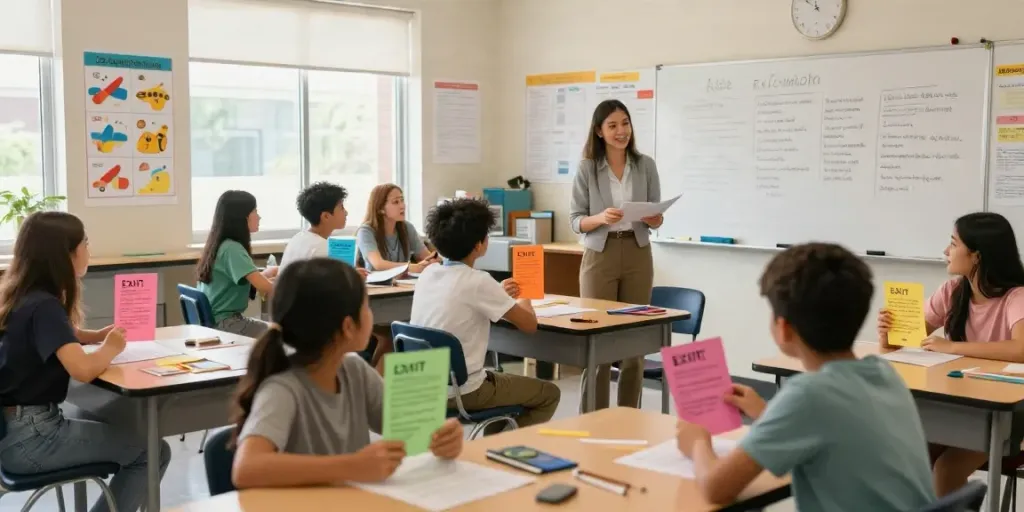
Engaging students effectively is a cornerstone of successful teaching. Free teacher resources can play a pivotal role in this regard by offering interactive and innovative materials that capture students' interest. For instance, incorporating digital exit tickets can provide instant feedback and foster a reflective learning process, while bell ringers can set a positive tone for the day's lessons. By integrating these resources, teachers can create a dynamic learning environment tailored to their students' needs.
Comparing Free Teacher Resources to Paid Alternatives
While paid resources often promise high-quality content, it is essential to analyze their effectiveness against the growing pool of free materials available today. Teachers must ask themselves whether these fee-based options provide significantly superior value compared to the free alternatives.
Cost-effectiveness of Free Teacher Resources
The most apparent advantage of free teacher resources is their cost-effectiveness. In times when school budgets are tight, every dollar counts. Free resources allow educators to acquire quality materials without financial constraints, making education more equitable and accessible for all students.
Quality Considerations: Free vs. Paid Resources
Historically, there has been a perception that paid resources are of higher quality than free ones. However, this is not universally true. Many free resources originate from reputable educators and institutions, providing high-quality, research-backed materials. Teachers should assess the quality of any resource—whether paid or free—based on reviews, user testimonials, and personal experiences in the classroom.
Which Option Offers Better Value to Teachers?
Ultimately, the best option depends on the specific needs of the teacher and their students. Free resources are often sufficient for basic lesson planning and supplementary materials, while some teachers may find specialized, paid resources more beneficial for particular subject areas or advanced student needs. The key is to evaluate the effectiveness and relevance of any material before making a decision.
Implementing Free Teacher Resources Effectively
The successful integration of free resources into lesson plans requires planning and strategic implementation. Here are some practical strategies for teachers looking to enhance their classrooms with free materials.
Strategies for Integrating Free Resources into Lesson Plans
To make the most of free teacher resources, consider the following strategies:
- Align with Curriculum Goals: Ensure that the materials selected align with the required learning objectives and standards to maintain coherence in your teaching.
- Adapt to Student Needs: Customize and modify resources to suit diverse learning styles and abilities, which can help engage all students effectively.
- Use Technology Wisely: Employ various digital tools to enhance the delivery of free resources, making learning more interactive and engaging.
Tools and Platforms for Finding Free Teacher Resources
There are numerous websites and platforms dedicated to free teacher resources. Popular options include TeacherPayTeachers, Share My Lesson, and educational blogs that frequently share materials. Utilizing these platforms can simplify the search for effective teaching tools, enabling educators to find what they need quickly.
Success Stories: Schools Thriving with Free Resources
Many schools have adopted free teacher resources successfully. For instance, a middle school in California utilized free exit tickets to gather instant feedback from students, leading to more tailored instruction and improved student outcomes. Similarly, a high school in Texas integrated engaging bell ringers sourced online, transforming their daily routines and enhancing student participation from day one.
Challenges Associated with Free Resources
While free teacher resources offer many benefits, there are challenges that educators may encounter when implementing them.
Identifying Quality Free Teacher Resources
One of the most significant challenges is discerning which free resources are of high quality. Teachers must critically evaluate the resources they choose, seeking those that have been vetted or highly rated by peers. Utilizing platforms that enable user reviews can alleviate some of this pressure.
Overcoming Resistance to Using Free Resources
Some educators may be hesitant to incorporate free resources, often due to misconceptions about quality or effectiveness. Open dialogues among faculty about successful implementations can help foster a more positive attitude towards utilizing these materials. Furthermore, sharing personal success stories can motivate colleagues to explore these options.
Common Misconceptions About Free Resources
Common misconceptions include the idea that free resources are less effective or less engaging than paid options. However, many third-party educational platforms now offer exceptional, high-quality resources that are available at no cost. Recognizing the value of these materials is essential for maximizing classroom potential.
Future Trends in Teacher Resources for 2026
As we look to the future, the landscape of educational resources will continue to evolve significantly. Staying informed about emerging trends will be crucial for educators seeking to implement effective teaching strategies.
Emerging Educational Technologies and Free Resources
Advancements in technology will likely result in an increase in interactive and customizable educational resources. Virtual reality and augmented reality tools are set to play larger roles in enhancing classroom experiences, while platforms providing resources will become more integrated and user-friendly.
Predictions for the Evolution of Free Teacher Resources
It is predicted that the quality of free teacher resources will continue to rise as more educators contribute their expertise online. Collaboration and sharing among educators will foster innovation, leading to a wealth of resources tailored specifically to the diverse needs of modern classrooms.
How Teachers Can Stay Current with Resource Trends
To keep up with educational resource trends, teachers should engage with professional development opportunities, attend workshops, and participate in educational forums. Online communities and social media groups can also provide valuable insights into the latest effective teaching tools and resources.