Understanding AI Image Generators
As we venture deeper into the digital era, the intricacies of technology continue to transform our creative processes. At the forefront of this revolution is the ai image generator, a powerful tool that converts textual descriptions into vivid images. This technology is not only reshaping how artists and designers create visual content but also democratizing art production, making it accessible to a wider audience. This article will explore the dynamics of AI image generators, their workings, applications across various industries, challenges, best practices, and what the future holds for this innovative technology.
What is an AI Image Generator?
An AI image generator is a machine learning-based tool that creates images from textual descriptions. By inputting a simple text prompt, users can produce detailed and high-quality visuals ranging from realistic photos to surrealistic art. These generators leverage advanced neural networks, particularly Generative Adversarial Networks (GANs) and transformers, to interpret text and render images accordingly. The rise of AI image generators aligns with the broader trend of artificial intelligence enhancing creativity in various fields.
How AI Image Generators Work Behind the Scenes
Behind the scenes, AI image generators utilize complex algorithms and vast datasets to understand the relationship between text and imagery. The primary technology employed is often a type of neural network known as a GAN, which consists of two parts: a generator and a discriminator. The generator creates images based on the input text, while the discriminator evaluates these images against real-world examples. Through iterative training, the generator improves its ability to produce realistic images that align with the input prompts.
Benefits of Using AI Image Generators for Creatives
- Time Efficiency: AI image generators drastically reduce the time required to conceptualize and create visuals, allowing creatives to focus on more strategic aspects of their work.
- Cost-Effective: With AI tools, businesses and individuals can save on costs that would typically be spent on hiring professional artists or buying stock imagery.
- Enhanced Creativity: These generators provide a unique source of inspiration, allowing users to explore possibilities they might not have considered, thereby sparking new creative ideas.
- Accessibility: AI image generation tools enable individuals without traditional artistic training to produce high-quality images, leveling the playing field in creative professions.
Applications of AI Image Generators in Different Industries
How Graphic Designers Leverage AI Image Generators
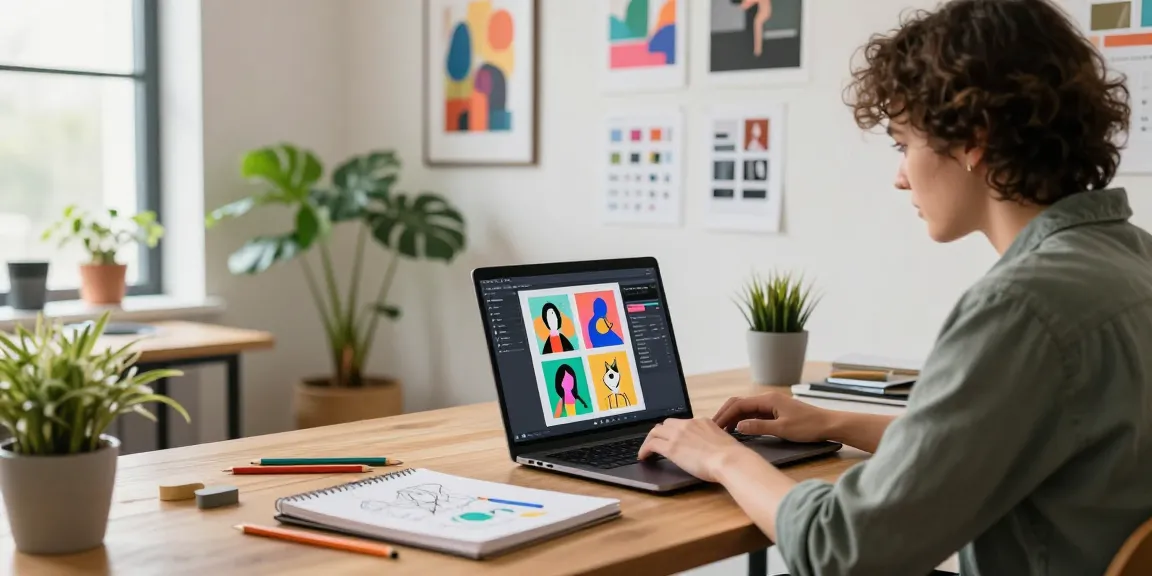
Graphic designers are increasingly integrating AI image generators into their workflows. By using these tools, they can quickly produce mock-ups for client presentations, explore color palettes, and generate design elements that enhance their projects. This can lead to a more iterative design process, with ideas being visualized in real-time and refined based on feedback. For instance, a designer might input "a modern coffee shop interior" to generate various visuals that guide their creative direction.
Utilizing AI Image Generators in Marketing and Advertising
In marketing, the ability to quickly create custom visuals tailored to specific campaigns is invaluable. Brands can use AI image generators to produce eye-catching content for social media, websites, and advertisements that resonate with their target demographics. This ability not only enhances brand storytelling but also allows for rapid A/B testing of visuals, leading to more effective marketing strategies. For example, a marketing team can generate images depicting different lifestyles and demographics, helping them identify which visuals engage audiences most effectively.
AI Image Generators in the World of Fashion and Art
The fashion industry is another area where AI image generators are making waves. Designers can use these tools to visualize clothing collections, create digital lookbooks, and showcase apparel in various environments without the need for costly photoshoots. Artists, too, are embracing AI image generation, either as a standalone art form or as a collaborative partner in their creative work, yielding unique pieces that meld human creativity with machine learning.
Challenges and Misconceptions of AI Image Generators
Common Misunderstandings About AI Image Generators
Despite their growing popularity, AI image generators are surrounded by misconceptions. A prevalent myth is that these tools will replace human creativity. In truth, AI serves as an enhancement rather than a replacement, providing tools that can expand creative possibilities while still relying on human intuition and expertise. Many creators view AI as a collaborative tool that, when used correctly, can lead to innovative results.
Addressing Concerns of Originality and Copyright
Another significant concern relates to copyright and originality. As AI image generators create content based on existing datasets, questions arise regarding ownership and the potential for plagiarism. The industry is still navigating these complex legal and ethical waters, with ongoing discussions around how to best protect the rights of both human artists and AI-generated works, emphasizing the need for regulations that balance innovation with protection.
How to Overcome Technical Challenges with AI Image Generators
Technical challenges can arise from the use of AI image generators, particularly in adequately training models to understand diverse prompts. Users can address these challenges by investing time in learning how to craft effective prompts that yield the desired results. Additionally, utilizing platforms that allow for fine-tuning the AI's outputs can help in producing more tailored images. Consistent practice and experimentation with different text inputs can lead to more effective use of these tools.
Best Practices for Effective Use of AI Image Generators
Step-by-Step Guide to Creating Stunning Images
- Define Your Concept: Start with a clear idea of what you want to create. The more detailed your prompt, the better the output.
- Choose the Right Tool: Select an AI image generator that aligns with your needs, considering factors like output quality and user interface.
- Refine Your Prompts: Experiment with different phrases and words. Use descriptive language to evoke specific styles or elements in your images.
- Iterate and Edit: Use the generated images as a base and enhance them with editing software if necessary to achieve the perfect final look.
Tips for Crafting Effective Text Prompts
Crafting effective text prompts is crucial for generating high-quality images. Here are some tips:
- Be Specific: Include details like colors, moods, and styles to guide the AI.
- Use Comparable Terms: Relate your ideas to existing art styles or well-known visuals to inform the AI's output.
- Iterate on Feedback: Analyze the generated images and refine your prompts based on what works and what doesn’t.
Tools and Resources to Enhance Your AI Image Generation Process
While many AI image generators are available online, supplementing these tools with resources can enhance your creative process. Online communities, tutorials, and webinars can provide insights and techniques for maximizing the potential of AI in image generation, while collaborative platforms allow you to share your creations and receive constructive feedback from peers.
The Future of AI Image Generators
Predicted Trends in AI Image Generation by 2026
As technology advances, we can expect significant developments in AI image generators by 2026. These may include improved algorithmic efficiencies, greater integration with augmented and virtual reality, and enhanced user interfaces that provide more intuitive controls and customizations. Furthermore, we can anticipate AI systems that not only generate images but also adapt to user preferences over time, learning from individual interactions.
How Emerging Technologies Will Impact AI Image Generators
The convergence of AI with other emerging technologies like blockchain and augmented reality will likely reshape the landscape of image generation. Blockchain could offer solutions for copyright management, while augmented reality may enable users to visualize generated images in real-world contexts, enhancing user engagement and creativity.
Innovations to Watch in AI Art and Design
Innovations such as interactive AI art installations or real-time image rendering based on user interactions are expected to gain traction. These developments could redefine the boundaries of digital art, allowing creators to produce dynamic pieces that evolve based on viewer engagement.
What Are the Ethical Considerations for 2026?
As the capabilities of AI image generators expand, ethical considerations will become increasingly important. Issues surrounding data privacy, ownership of AI-generated content, and the implications of AI in the creative economy will necessitate comprehensive guidelines and discussions among stakeholders, including artists, technologists, and lawmakers. Addressing these challenges proactively will be essential to foster a sustainable and innovative future for AI in art and design.