
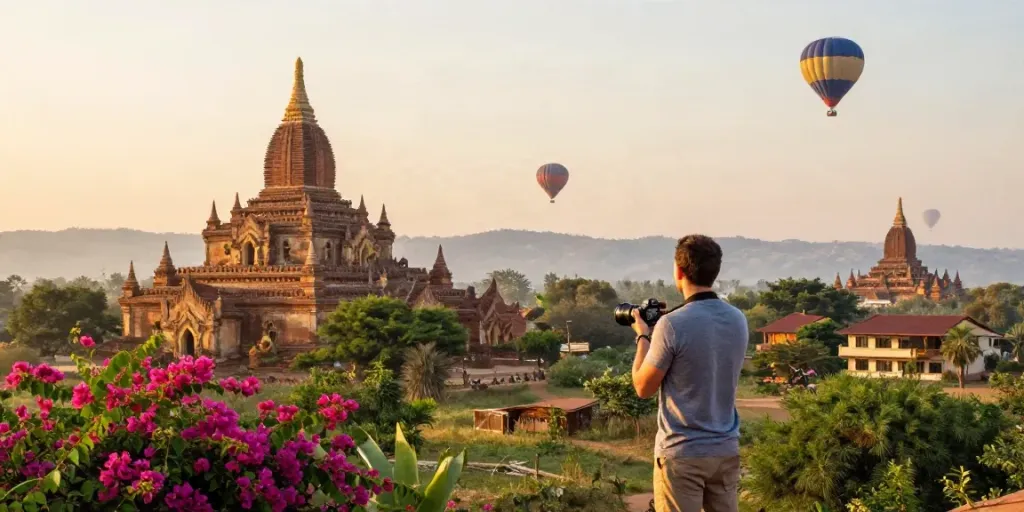
Understanding Old Bagan vs New Bagan
When visiting the ancient city of Bagan, Myanmar, travelers often find themselves deliberating between two distinct areas: Old Bagan and New Bagan. Each location offers a unique perspective on this historic region, shaped by their respective histories and modern developments. The contrast between the ancient temples of Old Bagan and the contemporary conveniences of New Bagan reflects a broader narrative of tradition versus modernity. This guide will explore the historical significance of both areas, delve into their cultural experiences, and provide insights to help you choose the best base for your Bagan adventure. For a deeper dive into this comparison, Old Bagan vs New Bagan provides comprehensive insights that can enhance your travel planning.
Historical Significance of Old Bagan
Old Bagan, established in the 9th century, once served as the capital of the Pagan Kingdom, flourishing between the 11th and 13th centuries. It is renowned for its staggering array of Buddhist temples, stupas, and monasteries, each narrating tales of devotion and artistry. Over 2,000 ancient structures remain today, with highlights including the majestic Ananda Temple and the intricate carvings of the Dhammayangyi Temple. The UNESCO World Heritage site is a living museum of history, where each brick and relic contributes to the rich tapestry of Burmese culture.
Despite its historical importance, Old Bagan has undergone significant changes; the area is now primarily a protected archaeological zone. This regulation prohibits permanent residency, leading to shifts in local demographics, as many residents have relocated to the nearby New Bagan and Nyaung-U. Consequently, Old Bagan represents a serene environment steeped in history, allowing visitors to immerse themselves in the spiritual essence of Myanmar.
Modern Developments in New Bagan
In stark contrast, New Bagan was constructed in the 1990s to accommodate the growing population and tourism industry surrounding the ancient ruins. The area features a mix of modern hotels, restaurants, and convenience stores, making it a more suitable option for travelers seeking contemporary comforts. The infrastructure in New Bagan allows visitors easy access to various attractions while providing essential modern amenities that cater to a global audience.
This area also offers a unique ambiance, blending traditional and modern lifestyles. While it may lack the historical depth found in Old Bagan, New Bagan boasts its own charm with conveniences that enhance the overall travel experience. Furthermore, the local market scene in New Bagan is vibrant, giving visitors a taste of local life and culinary delights from street food to fresh produce.
Comparison of Cultural Experiences
The cultural experience in Old Bagan is vastly different from that in New Bagan. In Old Bagan, tourists can engage in a contemplative exploration of ancient temples, often encountering monks, seasonal festivals, and traditional musical performances. The atmosphere is one of tranquility, allowing meditation and reflection amidst the sacred architecture.
Conversely, New Bagan offers a more dynamic cultural scene, where tourism thrives alongside daily life. Visitors can partake in local workshops, enjoy cultural performances, and experience the night markets filled with craft goods and local cuisines. This area serves as a cultural melting pot, where visitors can enjoy both Burmese traditions and modern influences.
Accommodation: Where to Stay
Luxury Options in Old Bagan
Travelers seeking luxury accommodations will find several high-end options in Old Bagan. Hotels like Aureum Palace Hotel and The Bagan Lodge offer stunning views of the temples, exquisite dining experiences, and spa services. Staying in these luxurious settings places guests within close proximity to the rich history of the area, allowing for easy temple visits at sunrise and sunset, when the landscape transforms into a breathtaking scene of light and color.
Budget-Friendly Stays in New Bagan
For those on a budget, New Bagan presents a variety of affordable lodging options. Guesthouses and hostels abound, catering to backpackers and budget-conscious travelers. Places like Shwe Nyaung Guesthouse and The Moonlight Hotel offer comfortable stays without breaking the bank, allowing visitors to invest their resources in experiences and activities rather than accommodations.
Unique Homestays and Guesthouses
Both Old and New Bagan have unique homestays that provide deeper cultural immersion. Staying with a local family can offer invaluable insights into traditional Burmese life, from cooking classes to storytelling evenings. This type of accommodation enhances your visit by fostering connections with the surrounding community.
Exploring Attractions: Temples and More
Must-Visit Temples in Old Bagan
Old Bagan is home to some of Myanmar's most iconic religious monuments. The Ananda Temple, famed for its impressive architecture and four standing Buddha images, is a must-visit. For a quieter experience, the Sulamani Temple displays exquisite murals and offers a sense of mystery with its somewhat secluded location.
Other temples worth exploring include the Htilominlo Temple, known for its intricate stucco work, and the Shwezigon Pagoda, which is believed to house relics of the Buddha. Each visit unveils layers of history, art, and spirituality.
Activities in New Bagan
New Bagan provides a range of activities for visitors. From bicycle rentals to guided tours, travelers can explore the expansive plains dotted with temples, giving a different perspective of the stunning landscapes. Additionally, many local operators offer hot air balloon rides at dawn, allowing adventurers to experience breathtaking aerial views of the ancient city.
Scenic Views and Hot Air Balloon Rides
Hot air balloon experiences in Bagan are not only thrilling but also provide unmatched panoramic views of the temple-filled landscape. The sunrise and sunset balloon rides create opportunities for unforgettable photographs and a unique appreciation of the vast and historical area below.
Transportation: Getting Around Bagan
Bicycle Rentals and Guided Tours
One of the best ways to explore Bagan is by bicycle. Electric and traditional bicycles are readily available for rent in both Old and New Bagan, allowing visitors to navigate at their own pace. Guided tours often provide informative insights into each site, enriching the exploration experience. Engaging with knowledgeable local guides ensures a deeper understanding of the cultural significance behind each temple.
Public Transportation Options
While public transportation options in Bagan are limited, shared taxis and tuk-tuks provide affordable means of getting between key attractions. Local guides can assist in arranging transportation, ensuring that travelers can maximize their time in this stunning region.
Advantages of Staying in Each Area
Ultimately, the choice between Old Bagan and New Bagan comes down to personal preference. Old Bagan is perfect for those who wish to immerse themselves in history, with a serene environment ideal for reflection. In contrast, New Bagan caters to travelers looking for modern amenities, a lively cultural scene, and convenience for accessing attractions. Weighing these factors can help make an informed decision that enhances your travel experience.
Future of Bagan: Trends for 2026 and Beyond
Conservation Efforts in Old Bagan
As tourism continues to grow, so do efforts for conservation in Old Bagan. Initiatives are being developed to protect the integrity of the ancient temples and surrounding environment. Collaborations between government agencies and international organizations aim to create sustainable tourism practices that ensure the preservation of this UNESCO World Heritage site for future generations.
Innovative Developments in New Bagan
New Bagan is witnessing innovative developments, including eco-friendly hotels and community projects that bolster local economies. Sustainable practices in hospitality and tourism are being prioritized, aligning with global trends towards responsible travel. Such initiatives not only enhance the visitor experience but also promote the well-being of the local community.
Anticipated Tourist Trends in 2026
Looking ahead, Bagan is poised to attract a broader range of tourists, particularly with a focus on educational and sustainable tourism. As more travelers seek authentic experiences, Bagan's rich history and cultural offerings will become increasingly appealing. Enhanced promotion of local traditions, culinary experiences, and participatory activities will likely characterize the tourist landscape in 2026 and beyond.