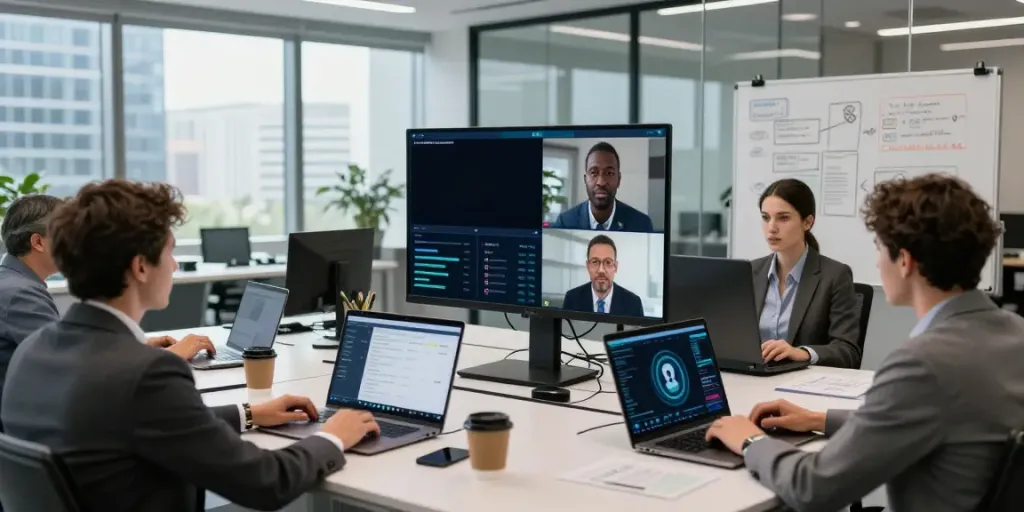
Understanding Deepfake Technology and Its Implications
As we stride further into the digital age, the sophistication of artificial intelligence (AI) technologies continues to expand, leading to both innovative opportunities and significant risks. One particularly alarming innovation is deepfake technology, which uses AI to create hyper-realistic audio and video content generated by algorithms. This technology has the potential to revolutionize various fields but also poses a serious threat, especially in the context of virtual meetings. The integration of deepfake technology into online environments can result in impersonation, misinformation, and a host of security breaches that can undermine the integrity of communications. To combat these concerns, organizations are increasingly prioritizing deepfake-protected meetings to ensure secure interaction in the workplace.
What are Deepfakes and How Do They Work?
Deepfakes are a blend of "deep learning" and "fake" media, where neural networks are trained on vast datasets of images, videos, and audio recordings. By analyzing patterns in these datasets, the AI can create new content that convincingly mimics real people. This technology has been used for various purposes, from entertainment—creating realistic dubbing in films—to malicious applications, such as fraud and reputational damage in professional settings.
The manipulation is achieved through tools that can swap faces in videos, reproduce voices, or simulate someone's mannerisms. As AI continues to evolve, the capability of creating indistinguishable fakes will similarly advance, making it vital for organizations to adopt robust deepfake protection measures.
The Rising Threat of Deepfakes in Virtual Meetings
With remote work becoming the norm, virtual meetings have become a core component of business operations. Unfortunately, this shift has also opened the door to new vulnerabilities. Deepfake technology can be weaponized in these settings, allowing malicious actors to impersonate executives or other key personnel to manipulate discussions or steal sensitive information. There are already documented cases where deepfakes were used to orchestrate financial scams, where fake video calls led to significant monetary losses for unsuspecting companies.
Furthermore, the psychological impact on employees cannot be understated; awareness of deepfake threats may contribute to decreased trust among colleagues and heightened anxiety regarding online communications.
Legal Considerations Around Deepfake Use in Business
The rise of deepfake technology has prompted considerable legal discourse. As businesses grapple with the implications of this technology, laws are evolving to offer safeguards against misuse. For example, the legality of deepfakes can vary widely by jurisdiction, with some states introducing legislation that mandates disclaimers for media produced using artificial intelligence.
Organizations must stay informed about local and federal regulations to establish compliance and protect themselves against potential legal repercussions stemming from deepfake-related incidents. Additionally, businesses should consider implementing internal policies that address the handling of deepfake content in their communications.
Identifying Risks in Virtual Meetings
Addressing the risks that deepfakes pose in virtual meetings requires a proactive approach. By establishing a clear understanding of potential threats and recognizing the warning signs, organizations can bolster their defenses against impersonation and misinformation.
Common Red Flags of Deepfake Attacks
Identifying deepfake content during video calls can be challenging, yet certain indicators may signal the presence of manipulated media. Common red flags include:
- Inconsistent facial movements: Watch for discrepancies between lip movements and spoken words.
- Unnatural expressions: Deepfake technology sometimes struggles to replicate human subtleties in emotions, leading to awkward or robotic facial features.
- Audio-visual sync issues: Check for delays between audio and video, which can indicate tampering.
- Background inconsistencies: Deepfakes typically don't capture background elements as accurately as the primary subject.
Case Studies: Real-World Deepfake Incidents
Real-world events exemplifying the threat of deepfakes include a notable case in which a deepfake video of a company CEO was used to authorize a significant transfer of funds to an outside account. In this instance, employees were deceived by the convincing nature of the video, resulting in substantial financial loss. Such incidents underscore the importance of heightened awareness and the necessity for deepfake detection measures within organizations.
Establishing a Security Baseline for Online Meetings
The first step in cultivating a secure environment for virtual meetings is establishing a security baseline. Organizations should implement protocols that require multi-factor authentication for meeting access and use end-to-end encryption for sensitive discussions. Regularly updating software and tools is also crucial in protecting against vulnerabilities that could be exploited in deepfake scenarios.
Additionally, adopting strong verification processes—such as confirming the identity of meeting participants through secondary channels—can help mitigate risks associated with deepfake technology.
Implementing Deepfake Protection Strategies
Once risks are identified, the next step is to implement effective deepfake protection strategies that ensure the integrity of virtual meetings. For organizations to thrive in the digital landscape, a well-rounded approach combining technology, best practices, and employee training is essential.
Technology Solutions for Secure Video Conferencing
Several technology solutions can enhance the security of virtual meetings. Tools like AI-powered deepfake detection software are being developed to identify manipulated content in real-time. Such systems analyze video feeds for inconsistencies that may indicate tampering.
Furthermore, adopting platforms that offer advanced security features, such as Microsoft Teams or Zoom, can provide built-in functionalities to detect anomalies and protect against unauthorized access.
Best Practices for Hosting Deepfake-Protected Meetings
Implementing best practices during virtual meetings is crucial for minimizing the risk of deepfake infiltration. Some key strategies include:
- Limiting access: Only share meeting links with verified participants.
- Regularly changing passwords: Update meeting passwords frequently to prevent unauthorized access.
- Establishing clear protocols: Create detailed guidelines for identifying and responding to potential deepfake incidents during meetings.
Employee Training on Deepfake Awareness and Response
Employees are often the first line of defense against deepfake threats. Therefore, training programs should be implemented to educate staff about the risks associated with deepfakes, how to identify manipulated content, and the appropriate responses if they encounter such material. Interactive workshops and simulations can enhance engagement and preparedness among employees.
Measuring the Effectiveness of Protection Measures
To ensure that deepfake protection measures are effective, organizations must establish metrics that allow for ongoing assessment and improvement of their strategies.
Key Performance Indicators for Virtual Meeting Security
Key performance indicators (KPIs) serve as critical benchmarks for evaluating the success of implemented protection measures. Some relevant KPIs include:
- Frequency of detected deepfake attempts during meetings.
- Time taken to respond to identified deepfake incidents.
- Employee awareness levels measured through surveys and assessments.
Assessing the Impact of Deepfake Prevention Tools
Regularly reviewing the effectiveness of deepfake prevention tools is essential. This may involve conducting audits to assess how well current technologies perform against new threats, as well as gathering feedback from users on their experiences with these tools. Continuous improvement should be a priority, ensuring that solutions remain robust and adaptable.
Continuous Improvement: Adapting to Emerging Threats
The landscape of deepfake technology is constantly evolving, which necessitates a flexible approach to meeting security. Organizations must remain vigilant and agile, regularly updating protocols and technologies to adapt to emerging threats. Collaborating with cybersecurity experts and staying informed about the latest technological advancements can provide companies with the insights needed to maintain effective defenses.
The Future of Deepfake Protection in Business
With deepfake technology expected to continue advancing, organizations must proactively prepare for the challenges that lie ahead. Understanding future trends and innovations in meeting security can equip organisations with the tools they need to protect themselves effectively.
Trends and Innovations in Meeting Security for 2026
As we approach 2026, several trends are becoming apparent in the realm of virtual meeting security:
- Integration of AI in detection: AI tools will become increasingly sophisticated, allowing for real-time detection and response to deepfake threats.
- Enhanced end-to-end encryption: Security protocols will advance, providing greater protection for confidential conversations.
- Focus on compliance: As regulations surrounding deepfakes evolve, organizations will need to prioritize compliance initiatives.
Preparing for Evolving Deepfake Tactics
As tactics employed by cybercriminals evolve, so too must the strategies developed by organizations. It is essential for companies to anticipate potential future deepfake techniques and prepare by investing in cutting-edge technology, fostering a culture of security, and enhancing employee training programs.
Building a Culture of Security in Remote Work Environments
Creating a culture of security within the organization is crucial for fostering a proactive approach to deepfake threats. By promoting awareness and encouraging open discussions about security practices, management can empower employees to take ownership of their roles in maintaining safe virtual environments. Providing ongoing support and resources will ensure that staff are well-equipped to handle any challenges that arise.
Are deepfakes actually illegal?
The legality of deepfakes varies by jurisdiction. While creating deepfakes is not inherently illegal, their application can lead to legal consequences, particularly if used for fraudulent purposes, defamation, or harassment.
What does deepfake protection mean?
Deepfake protection refers to the measures taken to safeguard against the risks posed by deepfake technology, including software solutions that detect deepfake content and organizational policies that establish guidelines for secure communication.
What states allow deepfakes?
Deepfake legislation is emerging in various states across the U.S., with some states implementing laws aimed at preventing harmful uses of deepfakes, especially in political or malicious contexts.
What is the 3 finger test for AI?
The “three-finger test” is a metaphorical reference used to validate the authenticity of an AI-generated image or video. It suggests looking for telltale signs of manipulation, just as one would check for authenticity by feeling the texture or weight of an object.
How can businesses protect against deepfake threats?
Businesses can protect against deepfake threats by employing a multi-faceted approach that includes technological solutions for detection, establishing rigorous security protocols, and educating employees about potential risks and how to identify them.