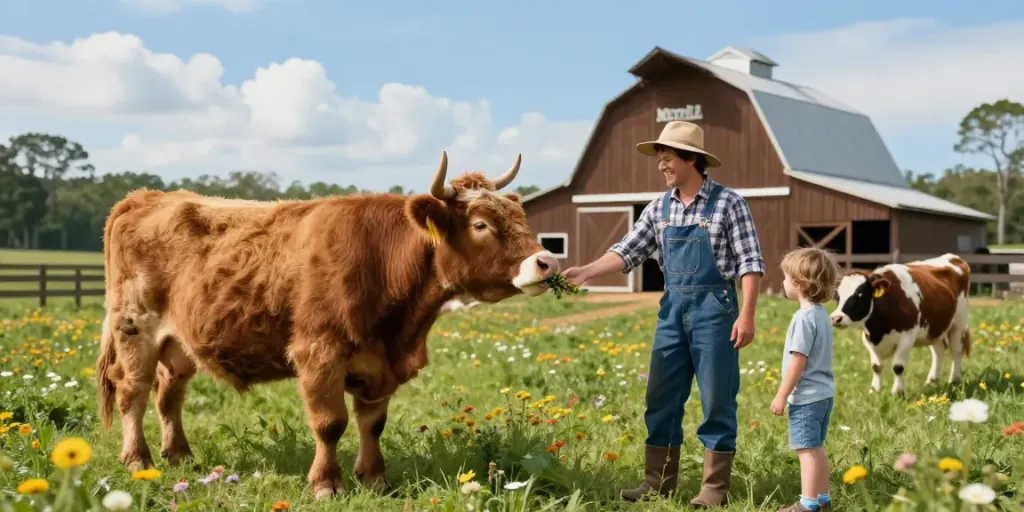
Understanding Mini Cows: Size and Breeds
Mini cows, as the name suggests, are smaller and more compact versions of conventional cattle. They have recently gained popularity among small-scale farmers and hobbyists due to their manageable size, gentler temperaments, and unique charm. These adorable animals, often weighing between 400 to 1,000 pounds depending on the breed, offer numerous benefits, making them suitable for various farming endeavors. When exploring options, mini cow farms like Mini Moo Alpaca Too Farm in Monticello, Florida, showcase a variety of miniature breeds that are ideal for both companionship and production.
What is a Mini Cow?
A mini cow is simply a scaled-down version of a standard cow. Most mini cows are bred for specific traits that make them more suitable for smaller farms and residential settings. These gentle giants, while smaller, retain all the charming characteristics of full-sized cows, including personality and herd dynamics. They can serve various purposes, whether as pets, for milk production, or even for land management due to their grazing habits.
Popular Mini Cow Breeds in the USA
In the United States, several breeds of mini cows have garnered attention from enthusiasts and farmers alike. Here are a few popular breeds:
- Mini Hereford: Known for their friendly demeanor and hardiness, Mini Herefords are a favorite for many small farms.
- Mini Highland: With their iconic long hair and small stature, Mini Highland cattle are adored for their aesthetics and gentle nature.
- Dexter Cattle: This dual-purpose breed is valued for both milk and meat, making it a versatile choice for small-scale farming.
- Mini Zebu: Zebu are known for their heat resistance and ability to thrive in various climates, adding to their appeal in warmer regions.
Differences Between Mini and Standard Cows
The primary distinction between mini cows and standard cows lies in their size and weight. While standard cows can weigh anywhere from 1,000 to 2,400 pounds, mini cows are significantly lighter, typically ranging from 400 to 1,000 pounds. Furthermore, mini cows require less feed, space, and resources, making them a more sustainable choice for many enthusiasts. Their smaller stature also makes handling easier, which is advantageous for families and individuals looking to interact with their livestock on a more personal level.
Reasons to Consider a Mini Cow for Your Farm
Choosing to add a mini cow to your farm can be a rewarding experience. They offer a unique combination of companionship, practicality, and aesthetic appeal. Here are some compelling reasons to consider investing in a mini cow:
The Benefits of Mini Cows for Small Spaces
Mini cows are perfect for small properties due to their limited space requirements. Unlike standard-sized cattle, mini cows can comfortably reside on smaller plots of land, making them a suitable choice for urban and suburban settings. Their compact size allows them to graze on smaller pastures, and their lower feed consumption reduces farming costs.
Companionship and Family Interaction
Mini cows are known for their friendly nature and can serve as beloved family pets. They often exhibit playful behaviors and can form strong bonds with their owners. Involving children in their care can teach responsibility and foster a love for animals, making them excellent companions.
Lower Maintenance and Care Requirements
Compared to their larger counterparts, mini cows have fewer care requirements. Their smaller size means they need less food, and they are often easier to handle and manage. Basic veterinary care and regular check-ups are essential, but overall, mini cows are relatively low-maintenance animals that can fit seamlessly into your lifestyle.
The Buying Process: Steps to Acquire Your Mini Cow
Acquiring a mini cow involves several key steps. Here’s a thorough guide on how to proceed:
Finding Reputable Mini Cow Breeders
When looking for a mini cow, it’s crucial to find reputable breeders who prioritize animal health and welfare. Research local farms or breeders like Mini Moo Alpaca Too Farm that specialize in miniature cattle. It's beneficial to visit the farm in person if possible, to assess the animals' living conditions and overall health.
Preparing for Your Farm Visit or Remote Purchase
Before visiting a farm, prepare a list of questions and consider what you’re looking for in a mini cow. If you can’t make it in person, many reputable farms offer virtual tours or detailed profiles of their animals online, allowing you to assess your options remotely.
Understanding Ownership-Transfer Documentation
Each purchase of a mini cow comes with necessary ownership-transfer documents. Familiarize yourself with the paperwork needed for legal ownership, as this may include health certifications and breed registration. A knowledgeable breeder will assist you in completing all necessary documentation.
Transportation and Delivery of Mini Cows
Arranging transportation for your new mini cow is a crucial step in the purchasing process. Here’s how to ensure a smooth delivery:
Personal Transportation Options Across the USA
Many breeders, including Mini Moo Alpaca Too Farm, offer personal transportation services across all 50 states. This ensures that your mini cow arrives safely at your homestead and reduces the stress associated with long-distance travel for the animal.
Ensuring Safe Transport for Your Mini Cow
The safety and comfort of your mini cow during transportation is paramount. Ensure that transportation arrangements include spacious vehicles, proper ventilation, and ample stops for breaks, especially on longer journeys. It is recommended that you discuss these logistics with your breeder before transport.
Preparing Your Home for Delivery
Before your mini cow arrives, prepare your property to ensure a smooth transition. Set up a designated area with secure fencing, shelter from the elements, and fresh water supply. Familiarizing yourself with basic cattle care can enhance your experience as a new mini cow owner.
Frequently Asked Questions About Mini Cows
As you consider adding a mini cow to your farm, you may have some questions. Here are answers to some frequently asked inquiries:
Can Mini Cows Live in Backyards?
Yes, mini cows can live in backyards, provided there is adequate space and proper fencing. They thrive in various settings, from small rural farms to suburban backyards, making them a versatile choice for many lifestyles.
What is the Typical Cost of a Mini Cow?
The cost of mini cows can vary widely based on breed, age, and seller. On average, you might expect to pay anywhere from $1,500 to $5,000 for a mini cow, depending on these factors.
How Much Space Does a Mini Cow Need?
A mini cow typically requires at least a quarter of an acre to thrive, although more space is beneficial. They need room to graze, roam, and exercise, so consider this when planning your herd's living area.
What Health Care Do Mini Cows Require?
Mini cows require routine veterinary care, including vaccinations, deworming, and hoof trimming. Establishing a relationship with a veterinarian who understands the specific needs of miniature cattle is beneficial for ensuring their health.
How to Train and Socialize a Mini Cow?
Training and socializing your mini cow starts early. Spend time bonding with your animal through gentle interactions and consistent handling. Positive reinforcement methods like treats and praise can help strengthen this bond and make handling easier.