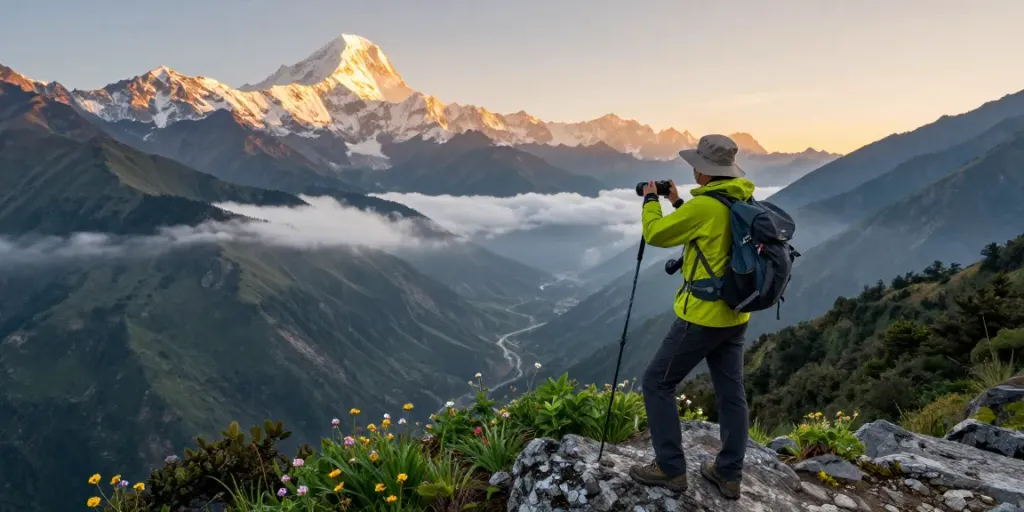
Overview of the Manaslu Circuit Trek
The Manaslu Circuit Trek stands out as one of the most captivating trekking experiences in the heart of the Himalayas. With its rich blend of breathtaking landscapes, remote Tibetan-influenced villages, and the panoramic views of Mount Manaslu, the world’s eighth-highest peak, this trek offers an adventure like no other. Spanning over 15 days, it allows trekkers to immerse themselves in the majestic beauty of Nepal while experiencing its vibrant culture. Traverse through diverse terrains, from lush subtropical forests alongside the Budi Gandaki River to high-altitude alpine meadows, and witness the unique lifestyle of the local Gurung and Tibetan communities. The trek not only challenges your physical capabilities but also enriches your understanding of the region’s natural and cultural heritage.
What Makes the Manaslu Circuit Unique?
One of the most distinguishing features of the Manaslu Circuit Trek is its status as a less-traveled path compared to other iconic treks in Nepal, such as the Everest Base Camp and Annapurna Circuit. Being classified as a restricted area, permits are required, which inherently limits the number of trekkers on the route. This means that adventurers can enjoy a tranquil experience, often enjoying the majestic mountains and serene landscapes in relative solitude. Additionally, the trek offers a unique cultural encounter, with opportunities to visit ancient monasteries and interact with local villagers, providing insights into their daily lives and traditions.
Understanding the Trekking Route and Journey
The Manaslu Circuit covers approximately 177 kilometers (about 110 miles), with a typical itinerary including daily treks ranging from 5 to 8 hours. The journey begins in the quaint village of Machha Khola, winding through various ethnic villages like Jagat, Deng, Namrung, and Samagaon, leading to the stunning Larkya La Pass at 5,160 meters (16,929 feet). The trek is designed to promote acclimatization, allowing trekkers to adjust to the altitude, which is essential for a safe and enjoyable experience. The trail is marked by its diverse scenery, passing lush green fields, terraced hills, dense forests, and rugged mountains, all contributing to an unforgettable adventure.
Highlights and Scenic Views along the Trail
Among the exceptional attractions along the Manaslu Circuit are stunning views of some of the highest peaks in the Himalayas, including Manaslu, Himlung Himal, and Annapurna II. Trekkers are treated to spectacular sunrises and sunsets casting vibrant colors over these colossal formations, creating perfect photographic moments. The serene Birendra Lake, nestled below the majestic Manaslu, serves as an excellent site for acclimatization hikes, offering breathtaking reflections of the mountains in its tranquil waters. Furthermore, the unique architecture of traditional Tibetan villages provides a glimpse into the cultural tapestry of the region, making this trek not only a physical journey but also a cultural exploration.
Planning Your Manaslu Circuit Trek
Before embarking on the Manaslu Circuit Trek, thorough planning is essential to ensure a safe and enjoyable experience. Understanding the best time to trek, what to pack, and the necessary permits can significantly enhance your adventure.
Best Time to Trek the Manaslu Circuit
The optimal seasons for trekking the Manaslu Circuit are spring (March to May) and autumn (September to November). During spring, trekkers can enjoy clearer skies, warmer temperatures, and blooming Rhododendrons, enhancing the visual appeal of the trek. Autumn also offers magnificent views of snow-capped peaks against a clear blue sky, making it equally favorable for trekking. The monsoon season (June to early September) brings heavy rainfall, which contributes to muddy trails, making it less suitable for trekking. Winter trekking (December to February) can be challenging due to cold temperatures and the possibility of snow at higher elevations.
Essential Gear and Packing Tips
Packing the right gear for the Manaslu Circuit Trek is crucial for comfort and safety. Essential items include a durable pair of trekking boots, warm clothing layers, a good quality sleeping bag (rated for -15°C), trekking poles, and necessary toiletries. Hydration is vital, so a water bottle and a hydration pack are recommended. While you can rent some gear in Kathmandu, it's wise to bring your primary equipment to ensure reliability. Additionally, packing a small first-aid kit can help address minor injuries along the way.
Permits and Regulations for Trekking
As the Manaslu region is a restricted area, trekkers need to secure several permits before starting their journey. These include the Manaslu Restricted Area Permit (MRAP), the Manaslu Conservation Area Permit (MCAP), and the Annapurna Conservation Area Permit (ACAP). Travel agencies like Ace the Himalaya can assist in obtaining these permits, ensuring a hassle-free beginning to your trek.
Preparing Physically for the Trek
To conquer the Manaslu Circuit Trek effectively, physical preparation is paramount. The trek's difficulty level requires a good fitness baseline and some acclimatization strategies to combat altitude sickness.
Physical Fitness Requirements for the Manaslu Circuit Trek
While previous trekking experience is beneficial, it is not mandatory for the Manaslu Circuit Trek. However, a reasonable level of fitness will significantly heighten your trekking experience. Engaging in cardiovascular exercises, strength training, and long hikes can help prepare your body for the physical demands of the trek.
Recommended Training Regimens for Trekkers
A comprehensive training schedule is advisable that includes:
- Cardiovascular exercises such as running, cycling, or swimming at least 3-4 times a week.
- Long-distance hikes with a weighted backpack to mimic trekking conditions.
- Strength training focusing on legs, core, and upper body to build endurance.
Commencing this regimen at least 2-3 months prior to your trek can enhance your stamina and overall endurance.
Acclimatization Strategies to Prevent AMS
Acute Mountain Sickness (AMS) can affect trekkers at high altitudes. To minimize this risk, it's important to ascend gradually, take acclimatization days, and stay properly hydrated. Paying attention to your body's signals and not overexerting yourself during the trek is crucial for preventing AMS.
During the Trek: What to Expect
Understanding what to expect during the trek can prepare you for the challenges and experiences that await along the Manaslu Circuit.
Daily Itinerary Breakdown and Trekking Times
A typical day on the Manaslu Circuit starts with an early breakfast, followed by a trek lasting between 5-8 hours, depending on the day's destination. Trekkers usually cover 15-20 kilometers daily, passing through spectacular landscapes, quaint villages, and rich cultural sites. Rest stops for lunch in local lodges or designated picnic areas provide a moment to rejuvenate before continuing your journey.
Accommodation and Meal Options on the Trail
Accommodation during the trek is typically in local teahouses, where rooms are shared with other trekkers, with basic facilities. Meals usually involve traditional Nepali dishes like dal bhat, momos, and soup. Most teahouses offer vegetarian options, and it’s advisable to stick with vegetarian meals to minimize the risk of foodborne illnesses.
Safety and Health Guidelines for Trekkers
Safety during the trek is paramount. Trekkers should always have travel insurance that covers high-altitude trekking, including emergency evacuation. Staying hydrated, maintaining a steady pace, and following the guidance of your trekking guide are essential steps in ensuring a safe and enjoyable trek.
Post-Trek: Wrapping Up Your Adventure
Upon completing your trek, reflecting on the experiences and planning your return journey is important for wrapping up your adventure on a high note.
Returning to Kathmandu: Travel Options
The journey back to Kathmandu typically involves a scenic drive that lasts between 10-12 hours, allowing you to savor the final views of the majestic Himalayas and absorb the tranquil landscapes of the region. It’s a great opportunity to reflect on the experiences gained during the trek and to share stories with fellow trekkers.
Sharing Your Experience: Reviews and Recommendations
After your trek, consider sharing your experiences through reviews on platforms like TripAdvisor or social media. Your insights can help future trekkers prepare and inspire them to take up the adventure themselves.
Future Trends in Trekking: What’s Next for Adventure Travel?
The demand for unique trekking experiences continues to rise, particularly for routes like the Manaslu Circuit that offer a mix of natural beauty and cultural immersion. As eco-conscious travel becomes more popular, future treks may include more sustainable practices, benefiting both trekkers and local communities.
How difficult is the Manaslu Circuit Trek?
The Manaslu Circuit Trek is generally considered moderately challenging. It requires good physical fitness, with treks ranging from 5 to 8 hours of walking per day. The trek includes high altitudes, steep ascents, and variable weather conditions that can add to its difficulty.
Can a beginner do the Manaslu Circuit Trek?
While the Manaslu Circuit is suitable for trekkers with moderate experience, beginners can complete the trek with proper preparation, pacing, and a licensed guide who knows the terrain and conditions.
How much does the Manaslu trek cost?
The cost of the Manaslu Circuit Trek typically ranges from $1500 to $2500, depending on the trekking agency, time of year, and included services. It’s advisable to consult with providers like Ace the Himalaya for a detailed breakdown of costs and accommodations included in the package.
Is the Manaslu Circuit trek harder than Everest Base Camp?
The difficulty of the Manaslu Circuit compared to the Everest Base Camp trek varies based on individual experience and fitness levels. Both treks offer unique challenges and rewards, but the Manaslu Circuit is generally less frequented, making it more isolated.
What are the best months to trek Manaslu Circuit?
The best months to undertake the Manaslu Circuit Trek are during the spring (March to May) and autumn (September to November) seasons, when the weather conditions are optimal for trekking, providing clear skies and stunning views.