Understanding IEC Connectors and Their Importance
IEC connectors, short for International Electrotechnical Commission connectors, are essential components in electrical and electronic systems, playing a pivotal role in ensuring safety and reliability in power connections. These connectors are designed to meet strict standards, allowing devices to draw power safely and efficiently. As the demand for reliable electrical components continues to rise across various industries, understanding the nuances of IEC connectors and their applications becomes increasingly vital for manufacturers, designers, and end-users alike. When exploring options, IEC connector manufacturer can provide comprehensive insights into these critical components.
What is an IEC Connector?
An IEC connector is a standardized electrical connector used primarily for connecting power to electrical appliances and devices. Defined by the IEC 60320 standard, these connectors are engineered to handle currents up to 16 A and voltages up to 250 V AC. Commonly found in computer power supplies, household appliances, and industrial machinery, IEC connectors ensure that users enjoy safe and secure electrical connections. The design of IEC connectors typically includes a male and female pair, enabling straightforward and effective power connection.
History and Evolution of IEC Connectors
The origins of IEC connectors trace back to the mid-20th century when the need for standardized power connection solutions became apparent. As more electrical devices began to proliferate, the IEC recognized the need to establish a set of universal standards to ensure compatibility and safety across different manufacturers. Over time, various versions of IEC connectors were developed, including the widely-used C13 and C14 types, which are familiar to anyone using a computer or similar electrical device today.
Applications Across Industries
IEC connectors find applications in a multitude of sectors, showcasing their versatility and reliability. From consumer electronics to industrial machinery, these connectors support various devices:
- Consumer Electronics: Used extensively in personal computers, printers, and home appliances.
- Telecommunications: Essential for powering telecommunications equipment, including servers and networking devices.
- Medical Equipment: Employed in medical devices where safety and reliability are paramount.
- Industrial Automation: Integral to manufacturing and industrial processes, connecting power to machinery and equipment.
Choosing the Right IEC Connector Manufacturer
With numerous manufacturers producing IEC connectors, selecting the right partner can profoundly affect the quality and reliability of your electrical products. Knowing what to look for is essential to making an informed decision.
Key Qualities to Look For in a Manufacturer
When evaluating potential IEC connector manufacturers, consider the following key qualities:
- Certification: Ensure that the manufacturer holds relevant certifications, such as UL, CE, and RoHS, which are indicative of compliance with safety and environmental standards.
- Experience: A manufacturer with a long-standing presence in the industry likely has the expertise and reliability necessary for producing high-quality products.
- Customization Options: Look for manufacturers who offer customizable solutions, allowing you to tailor products to your specific needs and applications.
- Quality Control Processes: A robust quality control system ensures that products meet stringent performance standards, enhancing their reliability.
Common Mistakes When Selecting Suppliers
Selecting an IEC connector manufacturer is a critical decision, and common pitfalls can lead to subpar results. Some mistakes to avoid include:
- Overlooking Certifications: Failing to verify the necessary certifications can lead to compliance issues down the line.
- Ignoring Reviews and References: Not seeking feedback from previous clients can result in unwise choices based on misleading marketing.
- Not Considering Long-Term Relationships: Focusing solely on short-term cost savings rather than long-term reliability and support can be detrimental to your business.
Evaluating Manufacturer Certifications and Standards
Certifications play a crucial role in determining the credibility of an IEC connector manufacturer. Certifications such as UL (Underwriters Laboratories), CE (Conformité Européenne), and RoHS (Restriction of Hazardous Substances) not only assure compliance with safety standards but also reflect the manufacturer’s commitment to quality and sustainability. A thorough evaluation of these certifications can help you avoid potential regulatory challenges and ensure that your products meet international safety guidelines.
Manufacturing Processes and Quality Control
The manufacturing process for IEC connectors involves several key stages, from initial design to final quality assurance. Understanding these processes can enhance your appreciation of what goes into producing these vital components.
Overview of IEC Connector Manufacturing Techniques
IEC connectors are typically manufactured through precise techniques involving:
- Injection Molding: This process is used to create the plastic housings of connectors, ensuring they are durable and resistant to wear.
- Stamping: Metal components such as pins and terminals are stamped out of sheets of metal, ensuring uniformity and precision.
- Assembly: Following molding and stamping, the components are assembled. Automated assembly lines often enhance efficiency and consistency.
Importance of Certification and Compliance
Adhering to established standards and certifications is critical in connector manufacturing. Compliance with IEC standards ensures that connectors can safely handle the electrical loads they are designed for, reducing the risk of overheating and electrical fires. Regular audits and inspections during the manufacturing process help maintain these standards.
How Quality Control Impacts Performance and Reliability
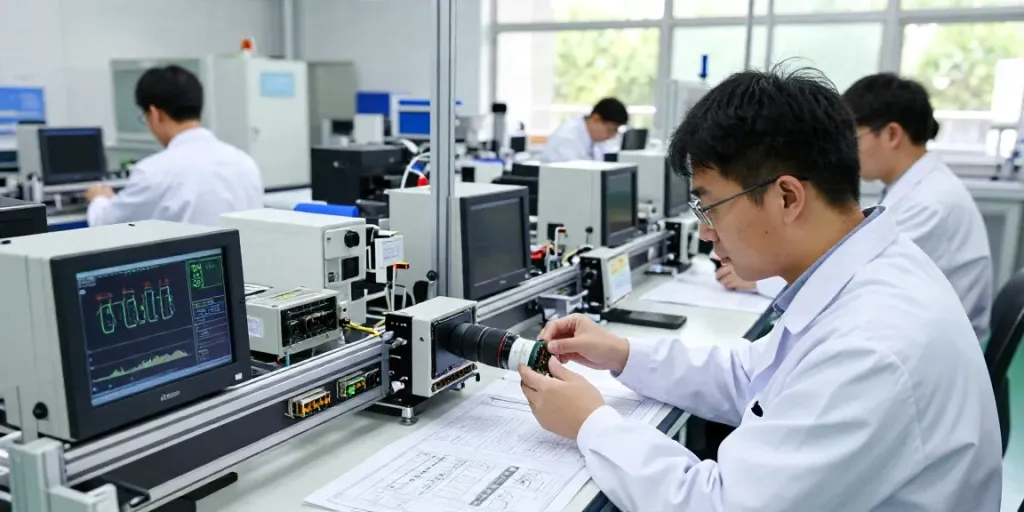
Effective quality control is paramount in the production of IEC connectors. Rigorous testing at various stages, including in-process inspections and final testing, guarantees that connectors perform reliably under intended conditions. Quality control processes not only identify potential defects but also enhance the overall longevity and safety of the products, reflecting positively on the brand that uses them.
Custom Solutions from IEC Connector Manufacturers
Many industries require customized solutions that standard connectors may not fulfill. Partnering with an IEC connector manufacturer who offers bespoke designs can provide significant advantages.
Benefits of Custom IEC Connector Designs
Custom designs allow for:
- Specific Functionality: Tailored connectors can meet unique electrical and mechanical requirements.
- Increased Efficiency: Custom solutions can optimize space and resources, leading to better device performance.
- Enhanced Branding: Manufacturers can integrate branding elements into custom designs, reinforcing brand identity.
Case Studies: Successful Custom Solutions
Consider the following examples where custom IEC connectors made a significant impact:
- Medical Equipment Manufacturer: A custom connector was developed to ensure secure and reliable power connections for portable medical devices, enhancing their safety and user convenience.
- Industrial Automation: A factory implemented custom IEC connectors designed to withstand extreme environmental conditions, resulting in decreased downtime and increased productivity.
Steps to Submit Your Custom Requirements
If you have specific needs for custom IEC connectors, consider these steps:
- Define Specifications: Clearly outline your requirements, including electrical ratings and environmental factors.
- Choose a Manufacturer: Select a reputable IEC connector manufacturer with experience in custom solutions.
- Engage in Collaboration: Work closely with the manufacturer’s engineering team to refine designs and ensure compliance with standards.
- Prototype Testing: Request prototypes and conduct thorough testing before moving into mass production.
Future Trends in IEC Connectors and Manufacturing
The landscape of IEC connector manufacturing is continuously evolving, influenced by technological advancements, market demands, and environmental considerations.
Emerging Technologies in Connector Design
As demand for advanced electrical solutions grows, manufacturers are exploring innovative technologies that enhance connector performance. Some of these include:
- Smart Connectors: Equipped with sensors to monitor performance and ensure optimal operation.
- Eco-Friendly Materials: Development of biodegradable plastic components and recyclable metals to minimize environmental impact.
- Advanced Manufacturing Techniques: Techniques such as 3D printing are being explored to enable rapid prototyping and flexibility in design.
Predictions for the IEC Connector Market by 2026
Market analysts predict significant growth in the IEC connector market driven by increased demand from emerging sectors, such as electric vehicles and renewable energy technologies. This surge may lead to more investment in manufacturing capabilities and innovations tailored to these industries.
How Sustainability is Shaping the Future of Manufacturing
Sustainability is becoming a critical focus among IEC connector manufacturers, influencing everything from raw material sourcing to waste management. Manufacturers are increasingly adopting green practices, such as:
- Reducing Waste: Implementing processes that minimize material waste during production.
- Renewable Energy Sources: Utilizing solar or wind energy to power manufacturing facilities.
- Life-Cycle Assessments: Conducting assessments to evaluate the environmental impact of products throughout their life cycle, leading to more informed decision-making.