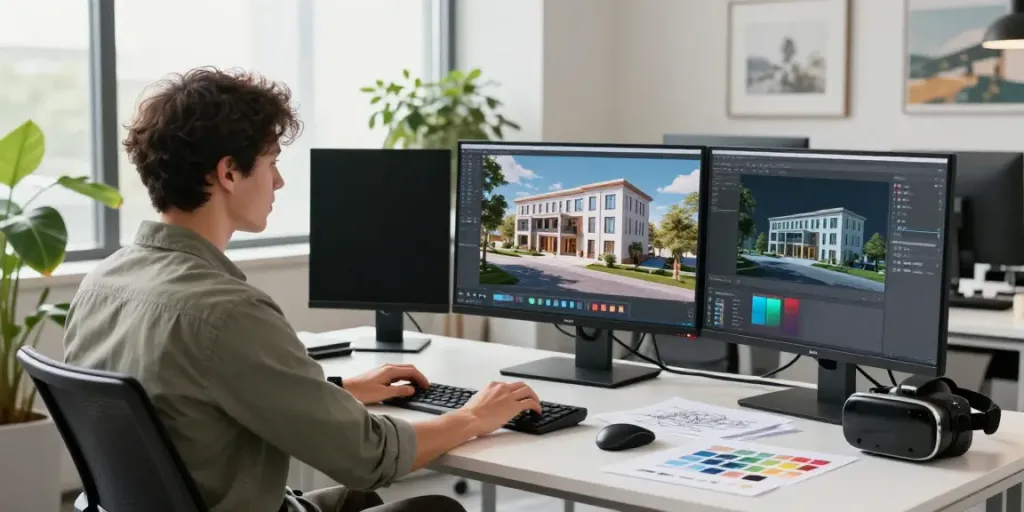
Understanding Professional 3D Rendering Services
In a world increasingly driven by visuals, professional 3D rendering services have become essential for architects, interior designers, and real estate professionals. These services convert architectural visions into stunning, photorealistic images that communicate design intent effectively to clients and stakeholders alike. From exterior designs that capture breathtaking facades to detailed interior renditions showcasing intricate details, the demand for 3D renderings continues to rise across various industries.
As organizations seek to enhance their visual communication, exploring options for professional 3D rendering services can provide comprehensive insights and solutions tailored to their unique requirements.
What are Professional 3D Rendering Services?
Professional 3D rendering services involve creating high-quality, detailed visual representations of architectural designs. These services use advanced computer graphics and rendering software to produce images or animations that depict buildings and interiors in various settings. The process transforms basic blueprints and sketches into lifelike visuals, allowing stakeholders to experience a project before any physical construction begins.
Typically, 3D rendering encompasses two primary types: exterior rendering, which showcases the outer aspects of a building, highlighting its design and integration into the surrounding landscape, and interior rendering, focusing on the internal spaces, furnishings, and overall atmosphere. Both types are crucial for conveying the architect's vision and attracting potential buyers or investors.
The Importance of 3D Rendering in Architecture
3D rendering serves as a critical tool in the architectural process. It allows architects to communicate complex ideas clearly and persuasively, thereby enhancing client presentations and decision-making. This technology helps eliminate ambiguities often associated with traditional 2D designs, providing a more intuitive understanding of spatial relationships, materials, and lighting.
Moreover, utilizing high-quality visualizations can significantly reduce design errors and miscommunication between teams. It aids in securing approvals from stakeholders and investors, as they can visualize the end product more realistically. Ultimately, effective 3D rendering can lead to increased marketability for projects, boosting sales efforts significantly.
Types of 3D Rendering Services Available
There are several specialized categories within 3D rendering services tailored to different project needs:
- Architectural Rendering: This encompasses both exterior and interior renderings, presenting the overall design and aesthetics of the project.
- Product Rendering: Used primarily in product design, it helps visualize products before production, aiding in marketing and design validation.
- Virtual Reality (VR) and Augmented Reality (AR) Rendering: These services create immersive environments that allow users to explore spaces or products interactively.
- Medical and Educational Rendering: Focused on producing visualizations for medical facilities or educational institutions to aid in planning and presentations.
- Interior Design Rendering: This applies to both commercial and residential spaces, showcasing design concepts to clients effectively.
- Industrial and Engineering Rendering: Used for visualizing infrastructure and industrial facilities, essential for planning and presentations.
- Gaming and Animation Rendering: Creates lifelike characters and environments for video games, films, and simulations, reflecting intricate details and dynamic actions.
Choosing the Right 3D Rendering Company
Selecting the right company for 3D rendering services can significantly impact the quality of the final product. It requires careful consideration and assessment to find a provider that aligns with your project vision and expectations.
Factors to Consider When Selecting a Provider
When searching for a professional 3D rendering company, evaluate the following factors:
- Portfolio Quality: Review previous projects to assess the company's style, quality, and range of work. This will help ensure their expertise aligns with your vision.
- Experience: Look for a company that has a proven track record in your specific area of interest, whether it's architecture, product design, or another field.
- Communication: Effective communication is crucial. Your chosen service provider should be responsive and open to feedback to ensure your vision is accurately captured.
- Technology: Ensure they use the latest rendering software and hardware to achieve the highest quality visuals.
- Cost Structure: Understand how they charge for services, whether it's per project, hourly, or based on deliverables.
Common Mistakes to Avoid
To ensure a successful collaboration, be mindful of common pitfalls, such as:
- Not defining project requirements clearly, which can lead to miscommunication and unmet expectations.
- Overlooking the importance of a detailed contract, which can protect both parties and clarify responsibilities.
- Failing to ask for revisions and feedback during the rendering process, which helps refine the project closer to your vision.
Evaluating Portfolios and Testimonials
A comprehensive evaluation of portfolios should include:
- Diversity in styles and types of projects completed, which showcases versatility.
- Client testimonials that highlight their experiences working with the company.
- Case studies that demonstrate how the company tackled specific challenges in past projects.
Cost Factors in 3D Rendering Services
Understanding the costs associated with 3D rendering is essential for budgeting and ensuring value for your investment.
Understanding Pricing Models for 3D Rendering
3D rendering services typically follow various pricing models, including:
- Fixed Pricing: A predetermined price based on the project's scope and requirements, providing clarity on costs.
- Hourly Rates: Charged based on the time spent on the project, which can vary depending on complexity.
- Per Image or Animation Pricing: A model that charges based on the number of images or length of animations required for the project.
Estimating Your Project Budget
Several factors affect the overall cost of a 3D rendering project:
- Complexity of the design and level of detail required.
- The number of renderings or animations needed.
- Specific project timelines and deadlines that may necessitate expedited services.
It's essential to communicate clearly with your rendering provider and obtain detailed quotes that outline all costs involved.
How to Get the Best Value for Your Investment
To maximize the value of your investment in 3D rendering services:
- Establish a clear understanding of your project goals and communicate them effectively during the initial stages.
- Prioritize quality over cost, as cheaper options may compromise the visual impact of your project.
- Engage in open dialogue with your provider about expectations and deadlines to avoid last-minute changes.
Optimizing 3D Renderings for Better Results
To achieve the most stunning visuals and impactful presentations, adhere to key optimization strategies in your rendering projects.
Key Techniques for Stunning Visuals
Creating impressive 3D renderings involves the following techniques:
- Lighting and Texturing: Proper lighting can enhance depth and realism, while high-quality textures add nuance and detail.
- Camera Angles: Experimenting with various angles can provide different perspectives that may resonate better with audiences.
- Post-Processing: Utilizing software like Adobe Photoshop can refine images and add finishing touches that elevate the overall quality.
Utilizing the Latest Software and Tools
The choice of rendering software can significantly impact the quality of the final output. Popular tools include:
- Autodesk 3ds Max: Widely used for architectural rendering and known for its extensive feature set.
- SketchUp: Great for quick conceptual designs that can be rendered into detailed images.
- V-Ray: A powerful rendering engine that integrates with various design software, enhancing photorealistic outcomes.
Incorporating Feedback for Continuous Improvement
Feedback is a crucial aspect of optimizing 3D renderings. Creating a process for reviewing and incorporating feedback can lead to better results:
- Schedule regular check-ins with stakeholders to review progress and gather input.
- Encourage constructive criticism to refine visuals based on the target audience's needs.
- Use feedback to iterate on designs and implement enhancements based on viewer reactions.
Future Trends in 3D Rendering Services
As technology continues to advance, the landscape of 3D rendering services is evolving rapidly. Keeping an eye on emerging trends will be crucial for staying competitive in the market.
Emerging Technologies Shaping the Industry
Several technologies are expected to influence the future of 3D rendering services:
- Artificial Intelligence (AI): AI is set to streamline rendering processes, automate repetitive tasks, and enhance realistic image generation.
- Real-time Rendering: This technology allows for immediate visualization changes, facilitating more interactive presentations.
- Cloud Rendering: Leveraging cloud computing can enhance processing power, allowing for more complex projects to be tackled efficiently.
How to Stay Ahead in 3D Architectural Visualization
To maintain a competitive edge, professionals in the field should:
- Invest in ongoing training and development to stay updated with the latest tools and techniques.
- Network with industry peers to share knowledge and best practices.
- Embrace innovative design approaches and technologies to elevate their creative output.
Preparing for Changes in Client Expectations
As client expectations evolve, 3D rendering professionals must adapt:
- Offer personalized solutions that cater to specific client needs and preferences.
- Enhance the customer experience by utilizing interactive elements in presentations.
- Stay informed about market trends to anticipate client demands effectively.
How much should professional 3D rendering services cost?
Determining the cost of professional 3D rendering services depends on various factors, including project complexity, desired quality, and turnaround time. Generally, basic renderings can start from a few hundred dollars and can rise significantly for highly detailed and complex visuals.
What industries benefit from 3D rendering services?
Nearly every industry that requires visualization can benefit from 3D rendering services. Key sectors include architecture, real estate, product design, advertising, education, and healthcare, each utilizing renditions for different applications, from marketing to presentations to design validation.
How can 3D rendering enhance client presentations?
3D rendering enhances client presentations by providing visual clarity and depth, making complex designs easier to understand. High-quality visualizations can engage clients more effectively than traditional blueprints or sketches, helping them grasp the overall look and feel of the project.
What are the common challenges in architectural rendering?
Challenges in architectural rendering can include:
- Balancing realism with design intent.
- Managing client expectations regarding timelines and final outputs.
- Ensuring effective communication between architects, designers, and rendering teams.
How to find the best 3D rendering services for my project?
Finding the right 3D rendering services involves research and assessment. Start by defining your project requirements, then shortlist companies based on their portfolios and client reviews. Consider reaching out for consultations to better gauge their expertise and alignment with your goals.