The Great Pond Plants Battle: Lily Pads vs Lotus Flowers for Stunning Water Gardens in 2026
Understanding Pond Plants: A Comprehensive Guide
Pond plants are essential components of any aquatic environment, contributing not only to the aesthetics of a water garden but also to its ecological health. These plants can range from vibrant water lilies to lush marginal flora, each playing a unique role in the ecosystem. Understanding how to select and care for Pond Plants is crucial for maintaining a balanced, thriving water feature in your garden.
What Are Pond Plants?
Pond plants, also known as aquatic plants, are species that have adapted to living in water-saturated environments, whether in natural ponds, lakes, or man-made water gardens. These plants can be categorized into three main types: submerged plants, floating plants, and emergent plants. Submerged plants grow entirely underwater and help oxygenate the water, floating plants like water hyacinth float on the water’s surface, while emergent plants, such as cattails and reeds, emerge above the waterline.
Types of Pond Plants and Their Benefits
Choosing the right pond plants can significantly enhance the beauty and health of your water garden. Here are some popular types and their benefits:
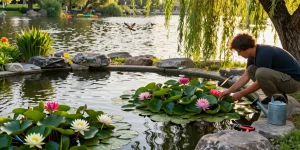
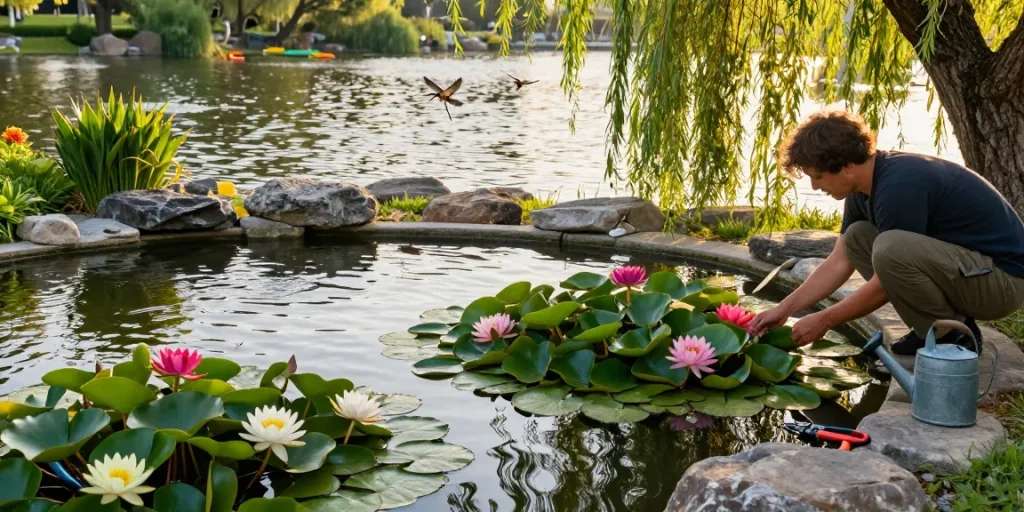
- Water Lilies: Known for their stunning flowers and large leaves, they provide shade and minimize algae growth.
- Lotus: These exquisite flowers add elegance and are revered in many cultures, thriving well in deeper waters.
- Pickerel Rush: An emergent plant that attracts pollinators and is beneficial for shore stabilization.
- Hornwort: A submerged plant that helps oxygenate the water and provides habitat for aquatic life.
- Duckweed: A floating plant that offers cover for fish and helps filter the water.
Importance of Aquatic Plants in Ecosystems
Aquatic plants are vital for the health of pond ecosystems. They provide food and habitat for various wildlife, improve water quality by absorbing excess nutrients, and create oxygen through photosynthesis. Moreover, they play a crucial role in stabilizing the pond’s banks, reducing erosion, and supporting biodiversity.
Choosing the Right Pond Plants for Your Garden
Selecting the right pond plants involves considering several factors to ensure they thrive in your specific environment. It’s essential to choose plants that will not only complement your aesthetic but also fit the ecological needs of your pond.
Factors to Consider When Selecting Plants
When choosing pond plants, consider the following factors:
- Sunlight: Assess how much sunlight your pond receives daily, as some plants thrive in full sun while others prefer shade.
- Water Depth: Different plants prefer varying water depths; for example, water lilies need at least 18 inches of water depth to flourish.
- Climate Zone: Make sure to select plants that are suitable for your local climate to ensure their survival.
- Maintenance Level: Consider how much time you can dedicate to maintain the plants.
Native vs. Exotic Pond Plants: Pros and Cons
Choosing between native and exotic pond plants can impact the ecosystem of your water garden:
- Native Plants:
- Pros: These plants are adapted to local conditions, require less maintenance, and support local wildlife.
- Cons: They might not offer the same dramatic visual appeal as some exotic species.
- Exotic Plants:
- Pros: Often more visually striking and can add unique features to your garden.
- Cons: They may become invasive, outcompeting local species and disrupting the ecosystem.
Best Practices for Plant Arrangement
Arranging pond plants effectively is key to creating a visually appealing and ecologically balanced water garden. Some best practices include:
- Layering: Plant taller species like cattails at the back and shorter species like water lilies toward the front to create depth.
- Grouping Similar Plants: Grouping plants with similar sunlight and water needs can simplify maintenance and enhance aesthetics.
- Leave Space for Growth: Ensure there is adequate space between plants to allow for their growth and to prevent overcrowding.
Maintaining Your Pond Plants for Longevity
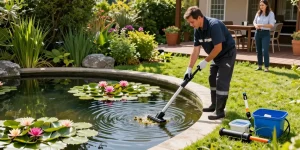
Effective maintenance is crucial to ensure that your pond plants thrive over time. Regular care can help prevent issues and promote healthy growth.
Water Quality Management for Healthy Growth
Maintaining good water quality is essential for the health of both your pond plants and aquatic life. Regularly check for:
- pH Levels: Most pond plants thrive in a pH range of 6.5 to 7.5.
- Nutrient Levels: Monitor nitrogen and phosphorus levels, as excess nutrients can lead to algae blooms.
- Temperature: Ensure the water temperature is suitable for the plants you have in your pond.
Pest Control and Disease Prevention
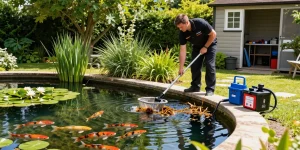
Regularly inspect your pond plants for pests like aphids and snails. Early detection is key to managing infestations. Use organic pesticides as a first choice, and ensure proper spacing and care to prevent disease.
Seasonal Care Tips for Pond Plants
Each season brings unique challenges for pond plants:
- Spring: Start fertilizing and removing debris as growth begins to pick up.
- Summer: Monitor water levels as evaporation may increase and ensure adequate nutrients.
- Fall: Trim back dead or dying foliage and prepare plants for winter by ensuring proper depth.
- Winter: In colder climates, insulate root systems to protect from freezing temperatures.
Designing Your Water Garden with Pond Plants
A well-designed water garden can become a beautiful focal point in your landscape. Careful planning and consideration of plant choices can enhance both visual appeal and functionality.
Creating Visual Interest with Color and Texture
Incorporating different colors and textures can elevate the look of your pond garden. Consider using:
- Bright-colored Flowers: Use a mix of aquatic plants with vibrant flowers to create a stunning visual display.
- Textured Foliage: Mix plants with different leaf shapes and sizes for added depth.
- Seasonal Interest: Choose plants that bloom at different times to ensure continuous color throughout the growing season.
Layering Plant Heights for Aesthetic Appeal
Layering your plants by height not only enhances beauty but also supports healthy growth. Taller plants like reeds should be placed at the back, with mid-height plants like canna lilies in front, and low-growing plants like creeping jenny at the edges.
Incorporating Hardscape Elements with Plants
Adding hardscape features like rocks, pebbles, or fountains can enrich your water garden’s design. These elements can also provide additional habitats for wildlife and enhance the overall structure of the garden.
The Future of Pond Plants in Sustainable Gardening
The role of pond plants in sustainable gardening is becoming increasingly prominent as gardeners seek eco-friendly solutions. Innovative practices and technologies are reshaping how we approach aquatic plant care.
Innovative Trends in Aquatic Plant Use
Hydroponics and aquaponics systems are gaining popularity, leveraging pond plants’ natural abilities to filter and purify water while producing food. Utilizing native plants to restore ecosystems is also a growing trend, promoting biodiversity and sustainability.
Integrating Technology in Pond Plant Care
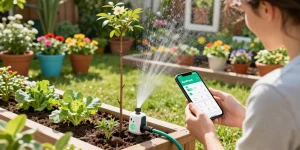
Smart devices and apps are now available to monitor water quality and plant health, providing real-time data that can help ensure optimal growth conditions. Using these technologies can streamline maintenance tasks and improve plant vitality.
Environmental Impact and Conservation Efforts
Engaging in conservation efforts by using native pond plants can help restore natural habitats. This not only enhances biodiversity but also contributes to overall ecosystem health, proving beneficial for both the environment and local wildlife.
What are the best aquatic plants for beginners?
For beginners, hardy plants like water lilies, lotus, and pickerel rush are excellent choices due to their resilience and low maintenance needs.
How do I prevent algae growth in my pond?
To prevent algae growth, maintain a balanced ecosystem with appropriate plant density, monitor nutrient levels, and implement regular water quality checks.
Can pond plants survive winter?
Many pond plants can survive winter by going dormant. However, it’s essential to ensure that they are planted at the right depths to protect their roots from freezing.
What is the best soil for planting aquatic plants?
Aquatic plants generally prefer nutrient-rich, loamy soil that retains moisture while allowing for good drainage. Specialized aquatic planting soil is often recommended for best results.
How often should I fertilize my pond plants?
Fertilization frequency can vary, but typically, once in early spring and possibly again in mid-summer is sufficient for most pond plants to thrive.