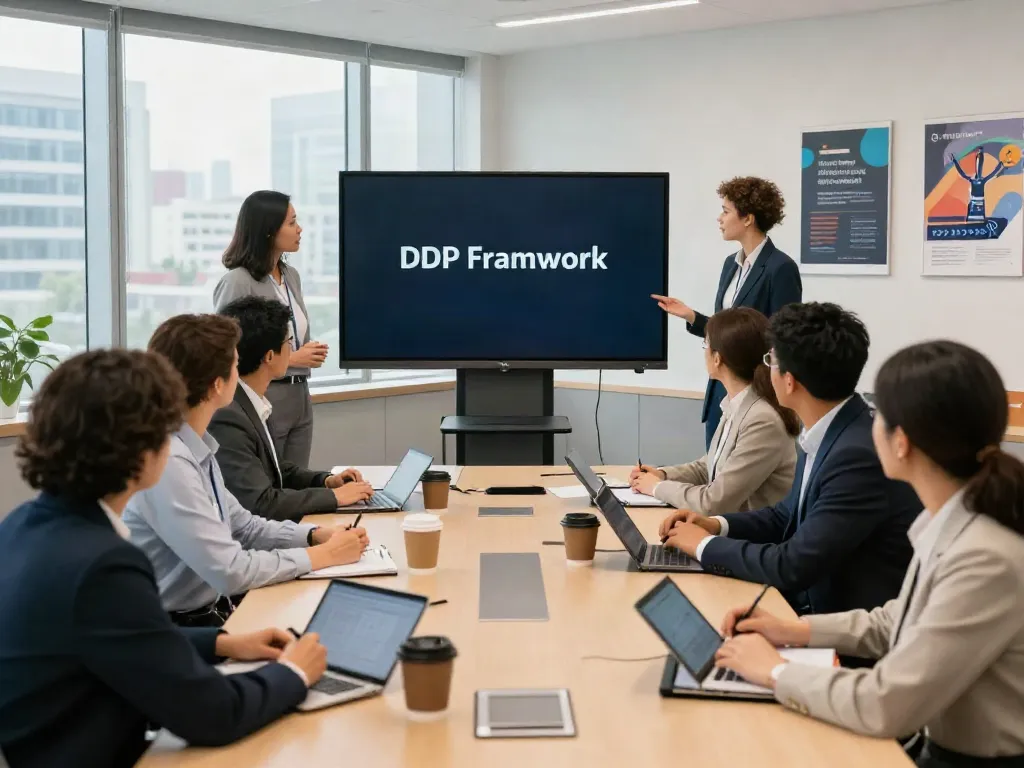
The Importance of Executive Leadership Coaching
In today's rapidly evolving business landscape, the call for strong leadership is more pressing than ever. Organizations are recognizing that talent must be nurtured continually, especially when the team is already performing well. As leaders, it's easy to take positive results for granted, assuming that good performance will simply sustain itself. However, failing to develop your team can create a ceiling that stunts growth potential. That's where executive leadership coaching comes into play—it transforms good leaders into exceptional ones, ready to tackle future challenges and seize opportunities.
Why Invest in Leadership Development?
Investing in leadership development is not merely a response to challenges; it's a proactive strategy aimed at enhancing organizational sustainability. Companies that prioritize their leadership capabilities create a culture of continuous improvement, where employees feel valued and motivated. When team members see their leaders investing in their growth, it fosters a sense of loyalty and increases retention rates across the organization. This, in turn, contributes to a more cohesive team dynamic and ensures that your leadership pipeline remains robust and prepared for the future.
Understanding the Benefits of Coaching
Coaching goes beyond simple skill acquisition; it encompasses personal growth and self-awareness which are crucial in leadership roles. Here are some key benefits of executive leadership coaching:
- Enhanced Decision-Making Skills: Coaches help leaders to evaluate their decision-making processes and encourage more strategic thinking.
- Increased Accountability: Regular coaching sessions create systems of accountability, pushing leaders to meet their commitments and goals.
- Improved Communication: Coaches focus on developing effective communication skills that enhance team collaboration.
- Long-Term Vision and Strategy: Coaching aids leaders in aligning their vision with organizational goals, creating clear paths for future success.
Key Differences Between Coaching and Training
It's essential to distinguish between coaching and traditional training. While training often focuses on skill enhancement through structured programs, coaching is tailored to individual leader needs. Coaching is more personalized, allowing for in-depth conversations which address specific challenges and foster a transformative experience. This personal engagement is where the true value lies, as leaders gain insights that are directly applicable to their unique situations.
Navigating Challenges in Leadership Development
Despite the proven benefits of executive coaching, organizations often face challenges when implementing these initiatives. Addressing these challenges head-on is crucial for effective leadership development.
Common Misconceptions About Executive Coaching
One of the primary misconceptions is that coaching is only useful during times of crisis or underperformance. However, proactive coaching can vastly improve performance before issues arise, creating a culture of success and resilience. Additionally, some believe that coaching is solely for senior executives. In reality, a well-structured coaching program can benefit all levels of leadership, ensuring a consistent approach to development across the board.
Overcoming Resistance to Coaching Initiatives
Resistance to coaching often stems from a lack of understanding or fear of change. To combat this, organizations should provide clear communication regarding the purpose and expected outcomes of coaching. Engaging employees and emphasizing success stories from other organizations can also demystify coaching and generate buy-in at all levels.
Addressing Performance Gaps Through Coaching
Performance gaps can be subtle but detrimental if left unaddressed. Coaching provides a structured environment for leaders to explore these gaps and develop strategies for improvement. By fostering open dialogue between teams and coaches, organizations can pinpoint performance bottlenecks, thereby promoting continuous development and enhancing overall productivity.
Implementing Effective Coaching Strategies
A well-thought-out coaching strategy is key to realizing the benefits of leadership development. Here are some effective approaches to consider when designing your coaching program:
Frameworks That Drive Results in Leadership Coaching
Utilizing established frameworks can significantly enhance the efficacy of coaching efforts. For instance, the DDP Framework™—Desire, Drive, Purpose—guides leaders in aligning their motivations with organizational goals, ensuring that coaching is both impactful and relevant. This structured approach facilitates deeper understanding and engagement, which are crucial for effective learning.
Setting Measurable Goals for Coaching Success
Measurable goals are essential in tracking progress and ensuring accountability. By establishing clear, quantifiable objectives, organizations can evaluate the effectiveness of their coaching programs. This might include metrics such as employee satisfaction scores, retention rates, and productivity levels, all of which can provide valuable insights into the impact of coaching initiatives.
Utilizing Feedback for Continuous Improvement
Feedback is a powerful tool in the coaching process. Regular check-ins and assessments not only help coaches refine their techniques but also enable leaders to express their thoughts and concerns. This ongoing dialogue can lead to adjustments in coaching strategies, ensuring that they remain relevant and effective.
Case Studies: Success Stories in Executive Coaching
Examining successful case studies helps to illustrate the tangible benefits of executive leadership coaching. Here are a few notable examples:
Transformative Outcomes from Corporate Partnerships
Many corporations have reported significant improvements in leadership performance following coaching interventions. For example, a leading tech company faced challenges with team collaboration. After implementing a coaching program, the organization observed a 30% increase in project completion rates and a notable enhancement in employee morale.
Lessons Learned from Nonprofit Organizations
Nonprofits often operate with limited resources, making effective leadership even more critical. In one case, a nonprofit organization implemented a comprehensive coaching strategy that resulted in a 50% increase in volunteer retention. This success highlighted the importance of investing in leadership, even for organizations that may not have the same budgetary capabilities as their corporate counterparts.
Corporate Teams: Real-World Applications and Results
In the realm of corporate teams, coaching has facilitated enhanced performance on several fronts. For instance, a retail chain introduced a coaching initiative for its sales team, leading to a 20% increase in sales year-over-year. This success story underscores how targeted coaching can lead to significant financial outcomes.
Future Trends in Executive Leadership Coaching
As we look toward 2026 and beyond, several trends are emerging within the leadership coaching landscape that organizations must consider:
The Evolution of Coaching Approaches for 2026
Coaching is likely to become increasingly personalized, incorporating advanced analytics to tailor programs to individual needs. This evolution will allow organizations to better address the nuanced challenges faced by leaders in various contexts, ultimately enhancing the coaching experience.
Emerging Technologies Shaping Leadership Development
Technology is playing an ever-increasing role in coaching, with tools such as AI and machine learning providing new opportunities for personalized feedback and development. Virtual coaching platforms are becoming more prevalent, allowing for greater flexibility and accessibility in leadership development.
Preparing for Future Leadership Challenges
The leaders of tomorrow will need to navigate complex challenges, including rapid technological changes and evolving workforce dynamics. By investing in ongoing executive leadership coaching, organizations can ensure that their leaders are equipped with the skills necessary to adapt and thrive in this changing environment.
What does an executive leadership coach do?
An executive leadership coach partners with leaders to enhance their capabilities through tailored conversations, assessments, and actionable feedback. They help leaders identify strengths, address weaknesses, and develop a roadmap for personal and professional growth.
How much does executive leadership coaching cost?
The cost of executive leadership coaching can vary widely depending on the coach's experience and the program's structure. Some organizations may choose to invest in long-term coaching partnerships, while others may seek short-term engagements. On average, organizations can expect to spend anywhere from a few hundred to several thousand dollars per session.
What's the difference between executive coaching and leadership coaching?
While the terms are often used interchangeably, executive coaching typically focuses more on senior-level leaders, whereas leadership coaching can apply to individuals at various levels within an organization. The methodologies may differ slightly, with executive coaching often addressing strategic decision-making and organizational impact.
How long does an executive coaching program last?
The duration of an executive coaching program can range from a few weeks to several months, depending on the goals set and the needs of the individual leader. Many programs are designed to provide ongoing support, evolving as the leader's needs change over time.
What are the key skills of an effective executive coach?
An effective executive coach possesses several essential skills, including strong listening abilities, empathy, adaptability, and the capacity to provide constructive feedback. They should also be adept at building rapport and trust, as these elements are critical for successful coaching relationships.